
Cosmetic Equipment
Carbs Are Not the Enemy: The REAL Villain Hiding in Your “Health” Food
By: Dr. Emily Carter, PhD, MS, RDN
Registered Dietitian Nutritionist & Metabolic Health Researcher
15+ years in clinical nutrition and obesity science
Introduction: The Big Carb Confusion
Few nutrients have suffered a worse reputation than carbohydrates. For years, diets like keto, Atkins, and modern “low-carb” trends have painted them as the root of weight gain, fatigue, inflammation, and metabolic disease. But modern nutrition science paints a very different picture: carbohydrates are not only essential, but in many cases protective against long-term disease.
The problem isn’t carbohydrates themselves — it’s the refined, ultra-processed versions aggressively marketed as “healthy,” “low-fat,” or “high-protein.” These engineered foods hijack your appetite, spike your blood sugar, and quietly undermine metabolic health.
It’s time to separate fact from marketing fiction.
Good Carbs vs. Bad Carbs: The Science, Not the Slogans
Carbohydrates are your brain’s preferred energy source. Without them, people often experience mental fog, irritability, poor exercise performance, and slowed metabolism.
However, the type of carbohydrate you consume determines whether it supports your health or undermines it.
Complex Carbs (The Good Guys)
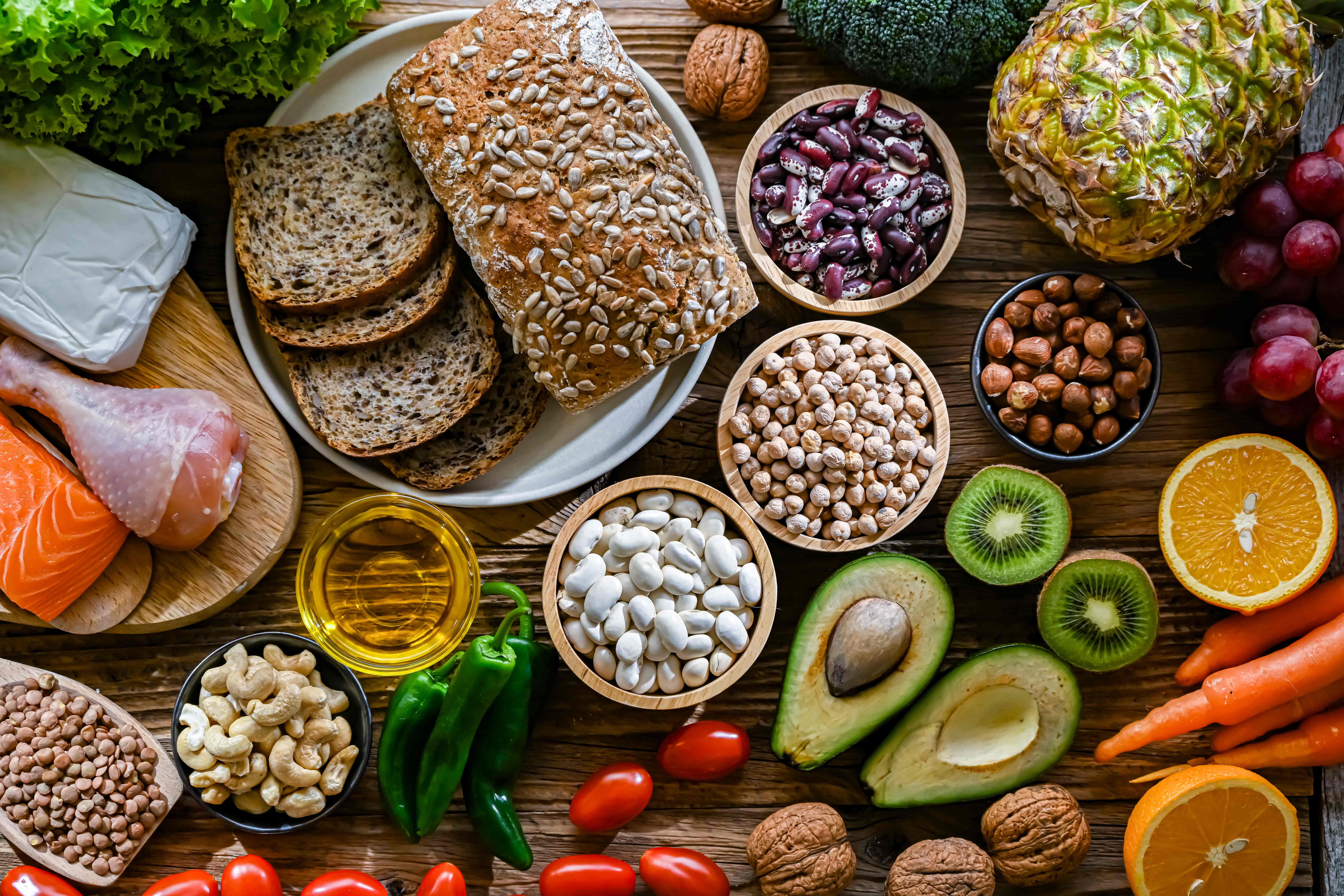
Found in whole, unprocessed foods like oats, quinoa, beans, lentils, fruit, and vegetables. They contain fiber, water, vitamins, antioxidants, and resistant starches. These carbs digest slowly and stabilize blood sugar.
Refined Carbs (The Problem)
Found in white bread, pastries, sugary cereals, juices, and processed snack foods. They cause rapid spikes in glucose, insulin surges, and encourage fat storage.
Unfortunately, many Americans consume far more of the refined type due to convenience and misleading marketing.
The Real Villain: Hidden Sugars in “Healthy” Foods
Many people trying to “eat clean” unknowingly purchase foods far worse than the carbs they avoid.
Some of the biggest offenders include:
- Protein bars loaded with brown rice syrup and tapioca syrup
- Low-fat yogurts with 20–30 grams of added sugar
- Granola marketed as “natural” but containing multiple sweeteners
- Bottled smoothies with more sugar than soda
- “High-protein” snacks that are essentially candy bars
According to the American Heart Association, Americans consume over 77 grams of added sugar a day, often from these so-called health foods.
This constant sugar influx drives:
- Blood sugar instability
- Increased hunger
- Fat accumulation around the abdomen
- Hormonal disruption
- Long-term risk of insulin resistance
In other words, people think they’re avoiding carbs — but they’re drowning in hidden refined sugars.
How Refined Carbs Trick Your Metabolism
When you eat refined or highly processed carbs, glucose enters your bloodstream rapidly. Your pancreas releases a surge of insulin to pull that glucose into your cells. Over time, this cycle can lead to:
- Mood swings and energy crashes
- Cravings and overeating
- Higher triglycerides
- Fatty liver accumulation
- Greater risk of Type 2 diabetes
A 2023 study published in The American Journal of Clinical Nutrition found that individuals who consumed higher amounts of whole-food carbohydrates had significantly lower inflammation and body fat than those following low-carb processed diets.
This reinforces a simple truth: the source of the carbohydrate matters far more than the quantity.
Smart Carbs That Support Metabolism and Weight Management
Whole-food carbohydrates support gut health, muscle recovery, and hormonal balance. Some of the best choices include:
- Oats – linked to improved digestive and heart health
- Sweet potatoes – high in beta-carotene and slow-release carbs
- Quinoa – rich in protein, minerals, and fiber
- Berries – lower sugar, high fiber, antioxidant-rich
- Lentils and chickpeas – support blood sugar control
These foods promote stable energy, long-term satiety, and healthy metabolic function.
Shopping Guide: Clean Carb Choices for U.S. Consumers
High-quality carb options easily found in U.S. grocery stores include:
- Bob’s Red Mill Old Fashioned Oats – minimally processed and nutrient-dense
- Ancient Harvest Organic Quinoa – reliable protein-rich grain
- Banza Chickpea Pasta – high in fiber, gluten-free, and low-glycemic
- Dave’s Killer Bread 21 Whole Grains – hearty, organic, high-fiber
- RXBar – simple ingredients with no added sugar
- These options support healthy eating patterns without contributing to hidden sugar overload.
Food Marketing Tricks That Confuse Consumers
Packaging often sabotages consumers with terms like:
- “Low-fat” or “fat-free” – usually higher in sugar
- “Natural” – meaningless in terms of sugar content
- “Made with whole grains” – may still contain mostly white flour
- “Protein-packed” – often loaded with syrups
To protect yourself, evaluate:
- Added sugars (aim for less than 25–36g per day)
- Fiber (the higher, the better)
- Ingredient list length (shorter is typically healthier)
How to Reintroduce Carbs Safely if You’ve Been Low-Carb
If you’ve been severely restricting carbs, don’t reintroduce them all at once. A gradual approach stabilizes appetite hormones and digestion.
Start with:
- One serving of whole grains per meal
- Combining carbs with protein + healthy fats
- Avoiding processed carbs completely
- Prioritizing fiber-rich foods
- This approach supports metabolic flexibility without blood sugar swings.
Your Brain and Mood Thrive on Carbs
Carbohydrates increase serotonin, the neurotransmitter associated with calmness, better sleep, and emotional well-being. Research from the University of Arizona found that low-carb dieters experienced more fatigue, anxiety, and irritability compared to those eating balanced carb-inclusive meals.
Your brain isn’t just “okay” with carbs — it functions best with them.
The Bigger Picture: Quality Over Quantity
Nutrition isn’t about demonizing an entire macronutrient group. It’s about identifying the real metabolic threats:
- Ultra-processed foods
- Added sugars
- Refined flour
- Artificial sweeteners
- Synthetic oils
Whole-food sources of carbohydrates remain one of the most nutrient-dense, fiber-rich, and sustainable components of a healthy diet.
Final Thoughts
Carbohydrates are not the enemy — the ultra-processed, sugar-laden products masquerading as “healthy” are. When you choose whole, minimally processed carbs, you support your metabolism, gut health, brain function, and long-term vitality.
The goal isn’t low-carb.
The goal is smart-carb eating.
Medical Review
Medically Reviewed by:
Dr. Sarah Nguyen, MD, MPH
Board-Certified Internal Medicine Physician
Specialist in Metabolic Health and Preventive Nutrition
Sources & Evidence-Based References:
- American Heart Association — Added Sugar Intake Recommendations
- The American Journal of Clinical Nutrition (2023): Whole-food carbohydrate patterns and metabolic outcomes
- Harvard T.H. Chan School of Public Health — Carbohydrates and Chronic Disease Risk
- USDA Dietary Guidelines for Americans
- Mayo Clinic — High-glycemic foods and blood sugar impacts
Journal of Nutrition — Effects of whole grains on inflammation and weight regulation

