
Orchestras, Symphonies & Bands
Yoga for Beginners: A 5-Step Guide to Starting Your First Practice
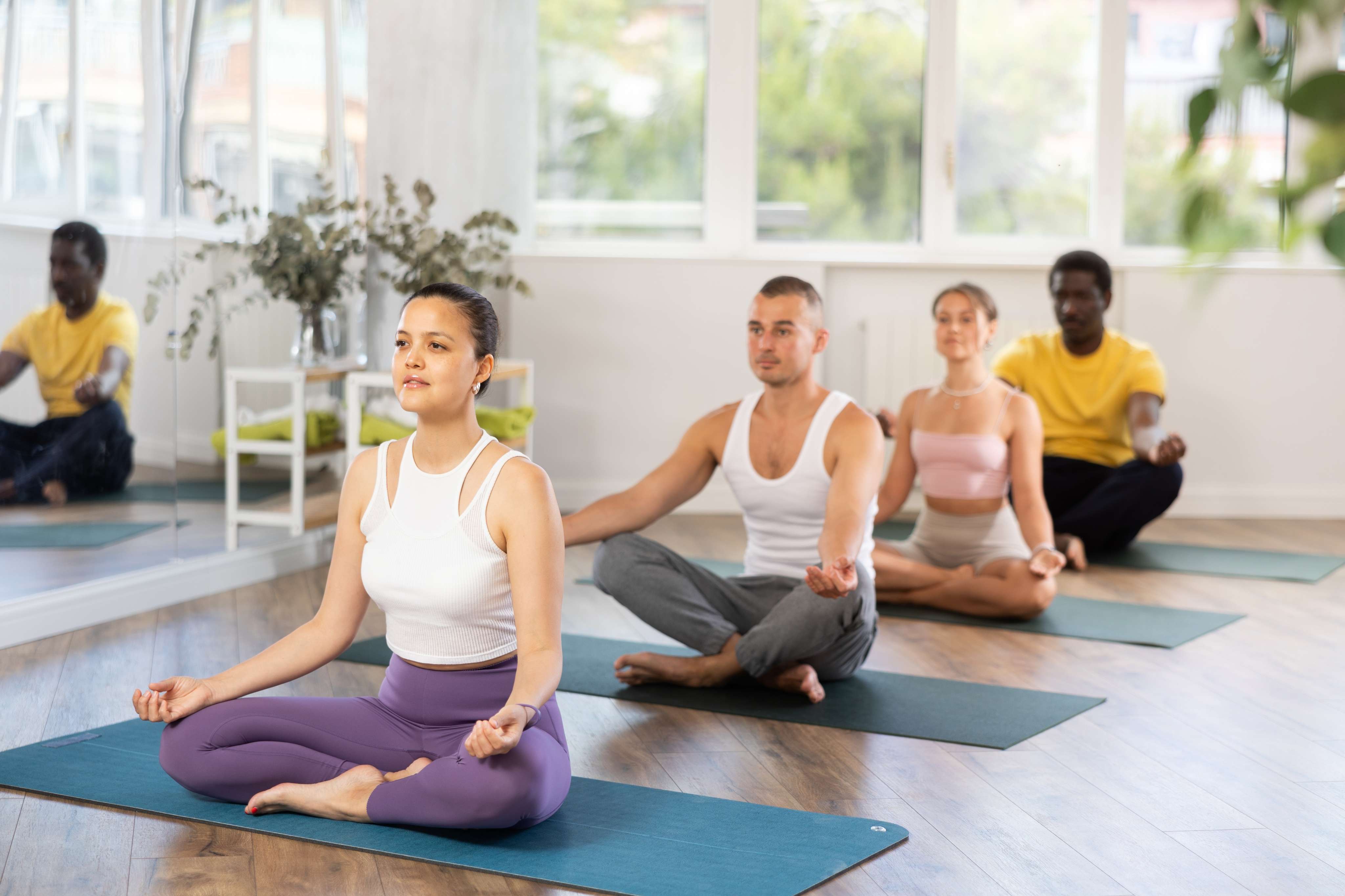
Yoga for Beginners: A 5-Step Guide to Starting Your First Practice
The idea of starting yoga for beginners can be incredibly intimidating. You see a class schedule full of confusing words (What is Vinyasa? What is Hatha?), see pictures of people in seemingly impossible poses, and think, "I'm not flexible enough for that."
Here is the most important secret in the world of yoga: you do not need to be flexible to start yoga. Yoga is the practice you do to become more flexible, strong, and centered. If you can breathe, you can do yoga. This simple, non-judgmental guide on yoga for beginners will walk you through everything you need to know to unroll your mat for the first time with confidence.
Step 1: Understand the Goal (It's Not Perfection)
The goal of yoga is not to look like an Instagram model or to touch your toes. The goal is to connect your breath with your movement and to be present in your own body. This is an art that requires consistent practice, and patience. There is no winning, no losing, and absolutely no judgment.
Step 2: Know the Basic Styles
When you look at a schedule, you'll see many names. For an individual learning Yoga as beginner, these are the two most important to know:
Hatha Yoga: This is a perfect place to start. "Hatha" is a general term for a practice that focuses on foundational poses. These classes are typically slower-paced, allowing you to learn the alignment and hold the poses for a few breaths.
Vinyasa (or "Flow") Yoga: This style links the poses together in a continuous, flowing sequence, synchronized with your breath. It's more of a "workout" and can be challenging for a total beginner, but it's a popular and fun style to grow into.
Step 3: Get Your (Minimal) Gear
You don't need expensive brand-name outfits. All you truly need is:
A Yoga Mat: This is essential for grip and cushioning. A standard mat is all you need.
Comfortable Clothes: Wear anything you can move and breathe in. Stretchy shorts or leggings and a t-shirt are perfect.
Water: Always a good idea.
Step 4: Learn the 7 Foundational Poses
These are the building blocks you will find in almost every yoga class.
1. Mountain Pose (Tadasana):
The foundation for all standing poses. Stand tall, feet together or hip-width apart. Root all four corners of your feet into the mat. Engage your thighs, draw your belly button in, roll your shoulders back and down, and let your palms face forward.
2. Cat-Cow (Bitilasana):
The perfect warm-up. On all fours (hands under shoulders, knees under hips), inhale as you drop your belly and lift your gaze ("Cow"). Exhale as you round your spine, tuck your chin, and press the mat away ("Cat").
3. Downward-Facing Dog (Adho Mukha Svanasana):
The "home base" of yoga. From all fours, tuck your toes and lift your hips up and back, forming an inverted "V" shape. Bend your knees generously—this is key for beginners. Focus on a long, flat back to gain maximum benefits.
4. Child's Pose (Balasana):
Your built-in rest pose. From all fours, bring your big toes to touch, spread your knees wide, and sink your hips back toward your heels. Rest your forehead on the mat. You can come here anytime you need a break.
5. Warrior II (Virabhadrasana II):
A powerful standing pose. Step one foot back, with your back foot parallel to the short edge of your mat. Bend your front knee to a 90-degree angle (right over your ankle). Open your arms wide, parallel to the floor, and gaze over your front fingertips.
6. Tree Pose (Vrksasana):
Your first balance pose. Stand on one leg. Place the sole of your other foot on your ankle, calf, or inner thigh (never on the knee joint). Press your foot and your standing leg into each other. Bring your hands to your heart.
7. Savasana (Corpse Pose):
The most important pose. Lie flat on your back, letting your arms and legs fall open. Close your eyes and do nothing. This is where your body absorbs the benefits of the practice.
Step 5: Your First 10-Minute At-Home Practice
Center (1 minute): Sit comfortably and just breathe.
Warm-Up (2 minutes): Move through 10 rounds of Cat-Cow.
Build Heat (3 minutes): Move to Downward-Facing Dog. Hold for 5 breaths.
Strength & Balance (3 minutes): Step forward to Warrior II (hold for 5 breaths on each side). Then, try Tree Pose (hold for 30 seconds on each side).
Cool-Down (1 minute): Sink into Child's Pose.
Rest (2+ minutes): Finish by lying flat on your back in Savasana.
Conclusion
Welcome to your mat. The hardest part is simply showing up. You are not "bad" at yoga; you are new to yoga. Be patient, be curious, and be kind to yourself. You have just taken the first step on a powerful journey.

