
Purchasing & Selling
How to Support Liver Health: 5 Real, Science-Backed Ways
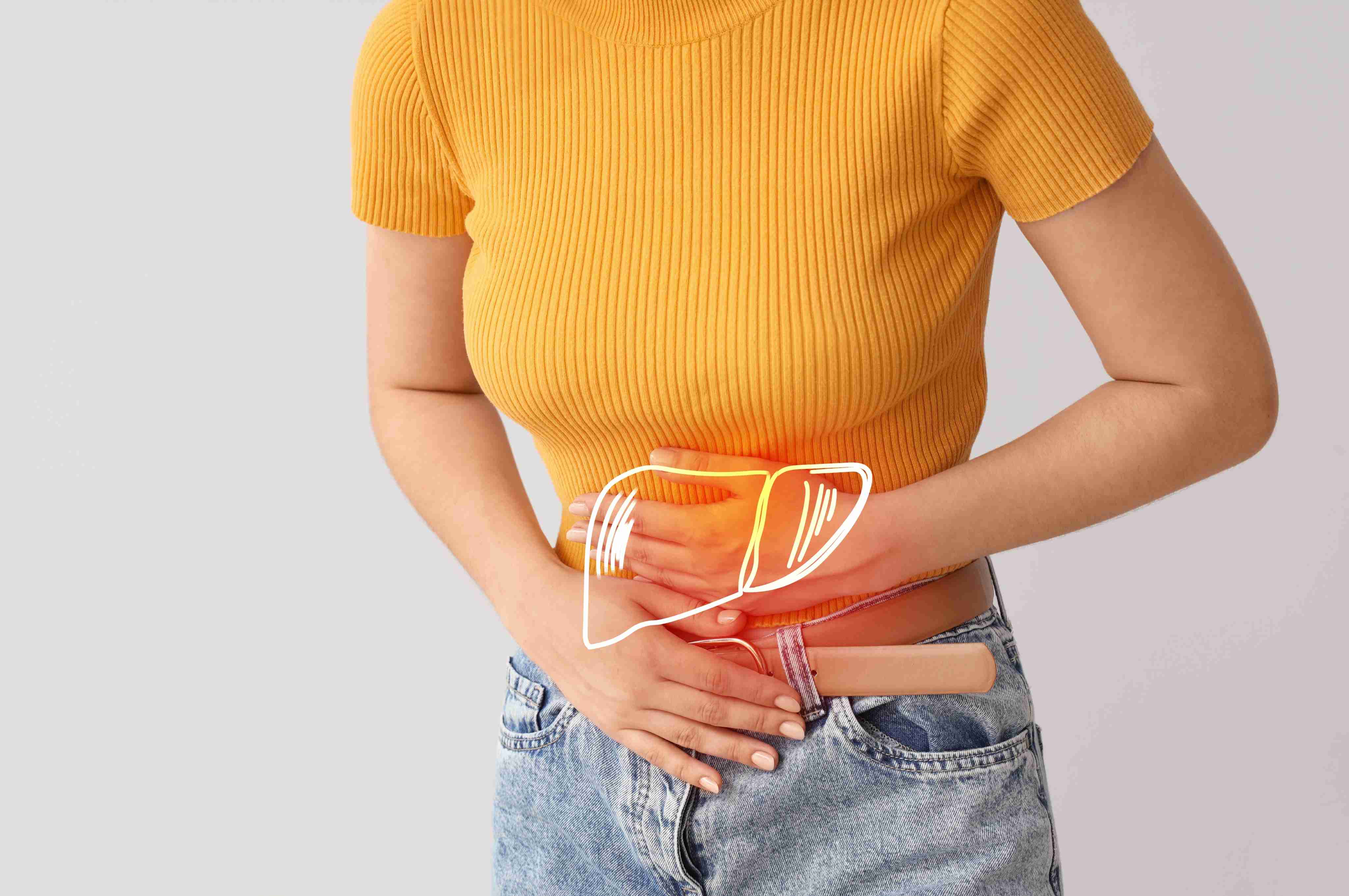
The liver is arguably the body's most hard-working and resilient organ. Weighing about three pounds, it performs over 500 vital functions, earning it the title of the body's central chemical factory. Its roles include filtering toxins from the blood, regulating blood sugar, storing essential vitamins and minerals, processing hormones, and producing bile for digestion.
Because the liver is so resilient, it often suffers in silence. Damage, particularly from conditions like Non-Alcoholic Fatty Liver Disease (NAFLD), can progress for years with few noticeable symptoms until the condition is severe. NAFLD, which is closely linked to obesity and type 2 diabetes, is characterized by the accumulation of excess fat in liver cells and is now the most common liver disorder worldwide.
Supporting liver health is not about extreme "detoxes"—the liver already detoxifies itself. It’s about creating an optimal internal environment, reducing its workload, and providing the necessary nutrients for its complex enzymatic processes. Here are five real, science-backed ways to keep your liver functioning at its best.
1. Eliminate Fructose and Refined Sugars
The single greatest dietary threat to the modern liver is added sugar, particularly fructose. Unlike glucose, which can be metabolized by nearly every cell in the body, fructose can only be metabolized by the liver in significant amounts. When you consume high amounts of high-fructose corn syrup, refined sugar, or excessive fruit juice, you overload the liver’s processing capacity.
This fructose is rapidly converted into fat (a process called de novo lipogenesis), which accumulates within the liver cells, directly contributing to NAFLD. This chronic influx of fat also creates inflammation, setting the stage for more serious liver damage.
Actionable Strategies to Reduce Liver Overload:
- Target Liquid Sugar: The most immediate and effective change is eliminating sugary drinks, including sodas, sweet teas, processed fruit juices, and sports drinks. Liquid sugars hit the liver fastest and hardest.
- Read Labels: Become meticulous about checking ingredient lists for all forms of added sugar, including sucrose, corn syrup, dextrose, and maltose. Focus on consuming foods in their whole, natural form.
- Avoidance Goal: Aim to keep added sugar intake as low as possible, ideally below $25$ grams per day, in line with American Heart Association recommendations.
- Suggestion Link: Replace sugary drinks with water infused with cucumber or lemon, or unsweetened herbal teas.
2. Achieve and Maintain a Healthy Body Composition
The connection between excess body weight, particularly visceral fat (fat stored around the abdominal organs), and liver disease is undeniable. Obesity is the primary driver of NAFLD. When fat cells become overloaded, they release free fatty acids into the bloodstream, which are taken up by the liver and stored, leading to insulin resistance and inflammation.
Therefore, the most effective way to reverse or prevent NAFLD is through gradual, sustainable weight loss, primarily targeting a loss of $7\%$ to $10\%$ of total body weight. This level of loss has been shown in clinical trials to significantly reduce liver fat content and reduce inflammation.
Strategies for Metabolic and Liver Health:
- Strategic Exercise: Incorporate both aerobic exercise and resistance training.1 Aerobic exercise burns visceral fat, while resistance training (lifting weights or bodyweight) improves insulin sensitivity. Improved insulin sensitivity means the body can process sugar more effectively, reducing the amount the liver has to deal with.
- Suggestion Link: Start a simple 30-minute brisk walking routine five days a week, combined with two days of basic bodyweight exercises (squats, push-ups).
- Calorie Deficit: Liver fat is reduced through a sustainable calorie deficit that leads to weight loss. Focus on nutrient-dense foods (vegetables, lean proteins) that promote satiety while naturally lowering calorie intake.
- Shopping Link: Consider a basic fitness tracker (watch or app) to monitor your steps and track your activity levels, which can significantly boost motivation and adherence.
3. Support Phase 2 Detoxification with Specific Nutrients
The liver performs detoxification in two phases: Phase 1 (oxidation) and Phase 2 (conjugation). Toxins processed in Phase 1 must be neutralized in Phase 2 before they can be safely excreted. If Phase 2 is slow or lacking nutrients, the intermediary toxic chemicals can build up and cause cellular damage.
Supporting Phase 2 ensures the efficient removal of both external toxins and internal metabolic waste products (like old hormones).
Key Nutrients for Phase 2 Efficiency:
- Sulfur Compounds: These are critical for the sulfation pathway in Phase 2. Found abundantly in cruciferous vegetables (broccoli, cauliflower, cabbage, kale) and alliums (garlic, onions, leeks).
- Actionable Step: Aim to eat one to two servings of raw or lightly steamed cruciferous vegetables daily.
- Choline and Betaine: These essential nutrients are necessary for fat transport and prevent fat and cholesterol from accumulating in the liver. A deficiency in choline is a known risk factor for NAFLD.
- Rich Sources: Eggs (especially the yolks), liver (if you eat meat), soybeans, and beef.
- Antioxidants: The Phase 1 process generates free radicals. Antioxidants, such as Vitamin C and Vitamin E, help neutralize these damaging molecules before they can harm liver cells.
- Suggestion: Prioritize foods rich in antioxidants, such as berries, dark leafy greens, and green tea.
4. Strategically Use Liver-Supportive Herbs
While no supplement can undo poor lifestyle choices, certain botanicals have been researched for their hepatoprotective (liver-protecting) properties, primarily due to their strong antioxidant and anti-inflammatory effects.
- Milk Thistle (Silybum marianum): The active compound in milk thistle is silymarin. Silymarin is a powerful antioxidant that has been shown to stabilize liver cell membranes and promote the regeneration of damaged liver cells. It is one of the most widely studied supplements for liver support.
- Shopping Link: When purchasing a milk thistle supplement, ensure it is standardized to contain $70\%$ to $80\%$ silymarin. Always check with your doctor before starting any herbal regimen, especially if you have an existing liver condition.
- Artichoke and Dandelion: Both are traditionally used to stimulate the production and flow of bile. Bile is crucial for digestion and serves as the primary route for the liver to excrete toxins and metabolic waste.
- Suggestion: Incorporate artichokes into your meals or enjoy dandelion root tea regularly to aid bile flow.2
Tumeric (Curcumin): The active compound, curcumin, is a potent anti-inflammatory agent that can help mitigate the chronic inflammation that underlies most chronic liver diseases.
5. Practice Strict Avoidance of Liver Toxins
The most direct way to protect your liver is to minimize its exposure to known toxins, forcing it to work less hard on cleanup.
- Alcohol Moderation: Alcohol is metabolized by the liver, and excessive intake is a leading cause of various liver diseases, from alcoholic fatty liver to cirrhosis. For liver health, the safest approach is to limit alcohol consumption significantly or abstain entirely.
- Guideline: Current guidelines recommend no more than one drink per day for women and two drinks per day for men, but reducing this further is beneficial.
- Avoid Unnecessary Medications: Many over-the-counter medications, particularly acetaminophen (paracetamol), can be hepatotoxic when taken in high doses or combined with alcohol. Always follow dosage instructions strictly and never exceed the maximum recommended dose.
- Mindful Supplement Use: The liver must process everything you ingest, including vitamins, herbal supplements, and performance enhancers. Discontinue any non-essential or unregulated supplements unless advised by a healthcare professional, as some can cause drug-induced liver injury (DILI).
- Prevent Viral Exposure: Practice good hygiene and safe practices to avoid viral hepatitis (Hepatitis A, B, and C), which are major causes of severe liver damage.
By eliminating the primary sources of fat accumulation (sugar) and toxin exposure (alcohol, excessive drugs), supporting the metabolism through weight management and exercise, and providing the necessary nutritional cofactors, you empower your liver to operate effectively, ensuring long-term metabolic vitality.
Medical Review and Disclaimer
This article has been medically reviewed by Dr. Michael Lee, M.D., on December 16, 2025. Sources for this review include The American Liver Foundation, National Institute of Diabetes and Digestive and Kidney Diseases (NIDDK), Journal of Hepatology, and Current Opinion in Clinical Nutrition and Metabolic Care. This information is for educational purposes only and is not a substitute for professional medical advice, diagnosis, or treatment. If you suspect you have a liver condition, consult with a qualified healthcare provider immediately.

