
Cosmetic Equipment
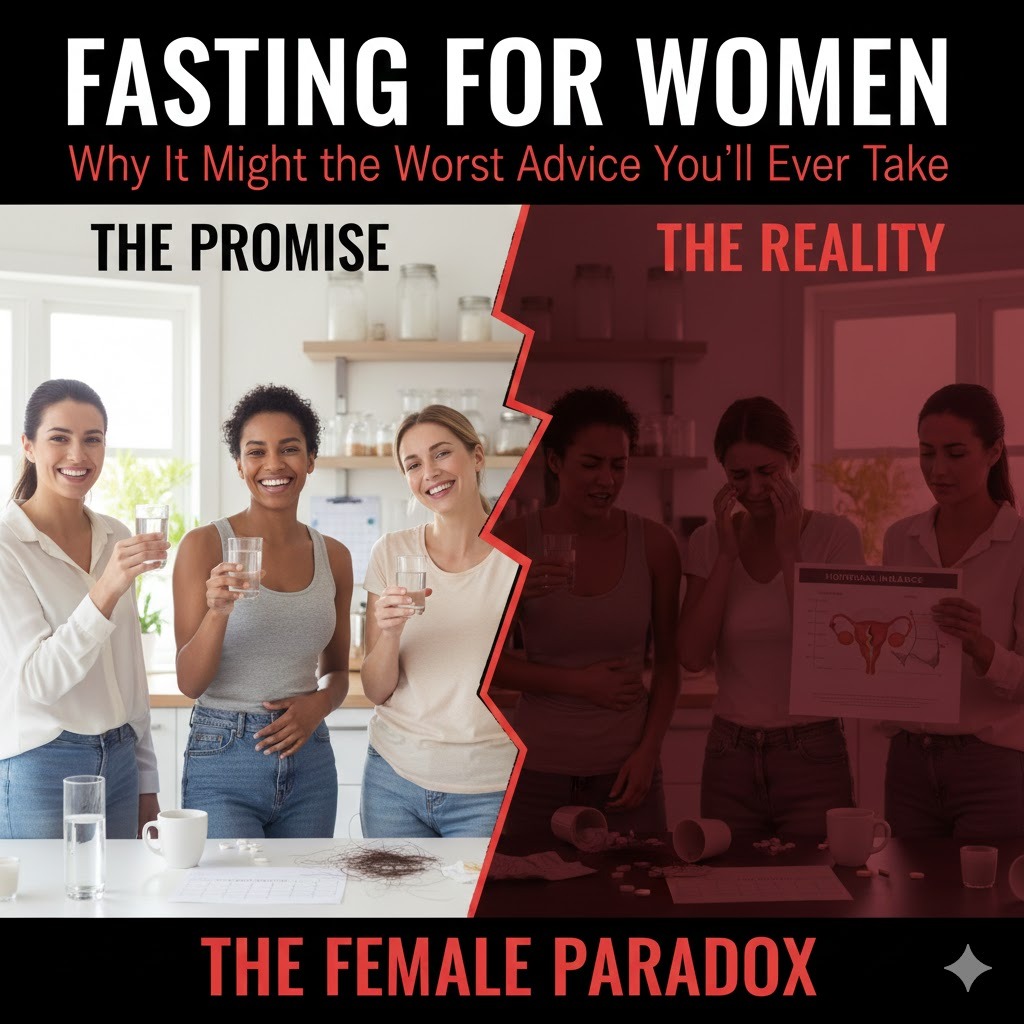
Fasting for Women: Why It Might Be the Worst Advice You'll Ever Take.
Intermittent fasting has become the “it girl” of wellness trends—right up there with matcha lattes, sauna blankets, and $15 green juices. Scroll through Instagram for five seconds and you’ll see someone claiming fasting gave them abs, reversed aging, balanced hormones, and maybe even made their ex text back.
But here’s the twist no influencer wants to talk about:
? Intermittent fasting affects women very differently than men—and often NOT in a good way.
This isn’t fearmongering. It’s biology, storytelling, and a very real look at how one-size-fits-all health trends often forget half the human population.
Let’s break it down—Hollywood style.
The Celebrity Story No One Talks About
A well-known actress (you've definitely watched her at least once on Netflix) once shared privately in an interview that she tried intermittent fasting because every male co-star seemed to swear by it. They would brag:
- “16 hours fasting isn’t even hard.”
- “Bro, I feel so sharp during the fast.”
- “My metabolism is on fire.”
So she tried it too.
Week 1:
She felt good. A little hungry, sure, but committed.
Week 2:
Her workouts felt harder. She started waking up tired. Her skin was acting strange. She blamed stress.
Week 3:
Mood swings. Cravings. Fatigue. And her menstrual cycle showed up late—two weeks late.
That was the moment her nutritionist stepped in and said:
“Fasting is a male-dominated success story. Women have an entirely different hormonal system. You’re not failing the diet—the diet is failing you.”
Sound familiar?
Maybe you've tried fasting too
… and wondered why it feels like you’re doing everything right but your body is doing everything wrong.
Here’s why.
Why Fasting Backfires for Women
Women’s bodies are designed for fertility, hormonal balance, and survival efficiency in a way men’s bodies simply aren’t. When you fast, your brain asks a simple question:
“Are we starving?”
If the answer is “maybe,” your body hits the panic button.
1. Hunger Hormones Go Haywire
Fasting increases ghrelin (the hunger hormone) dramatically in women. That means:
- More cravings
- More binge tendencies
- More stress eating
- More emotional instability
Men? Their bodies adapt much more smoothly.
2. Your Thyroid Takes the First Hit
The thyroid regulates energy, metabolism, mood, and temperature.
Fasting—especially long fasting windows—can slow it down.
This leads to:
- Sluggish metabolism
- Low mood
- Weight gain not loss
- Hair thinning
Ever wonder why fasting felt like it was aging you?
This is why.
3. Cortisol Skyrockets
Women already have more sensitive stress systems.
Add fasting → cortisol spikes → fat retention, anxiety, irritability, and poor sleep.
You’re not becoming “moody.”
Your hormones are literally screaming for help.
4. Menstrual Cycles Become Unpredictable
Fasting sends a famine signal.
The body responds by reducing reproductive hormones to “save energy.”
This can cause:
- Missed periods
- Short cycles
- Long cycles
- PMS mood swings
- Fertility issues
It’s not a side effect.
It’s biology.
5. Muscle Loss Instead of Fat Loss
Women burn less glycogen and more muscle during extended fasting.
Meaning:
You may lose weight, but it’s the wrong kind of weight.
No one tells you this part.
So… Should Women Avoid Fasting Completely?
Not necessarily.
But women need a different approach—one built for rhythm, not rigidity.
Better Alternatives Include:
- 12:12 fasting schedule (gentler on hormones)
- Cycle-syncing eating patterns
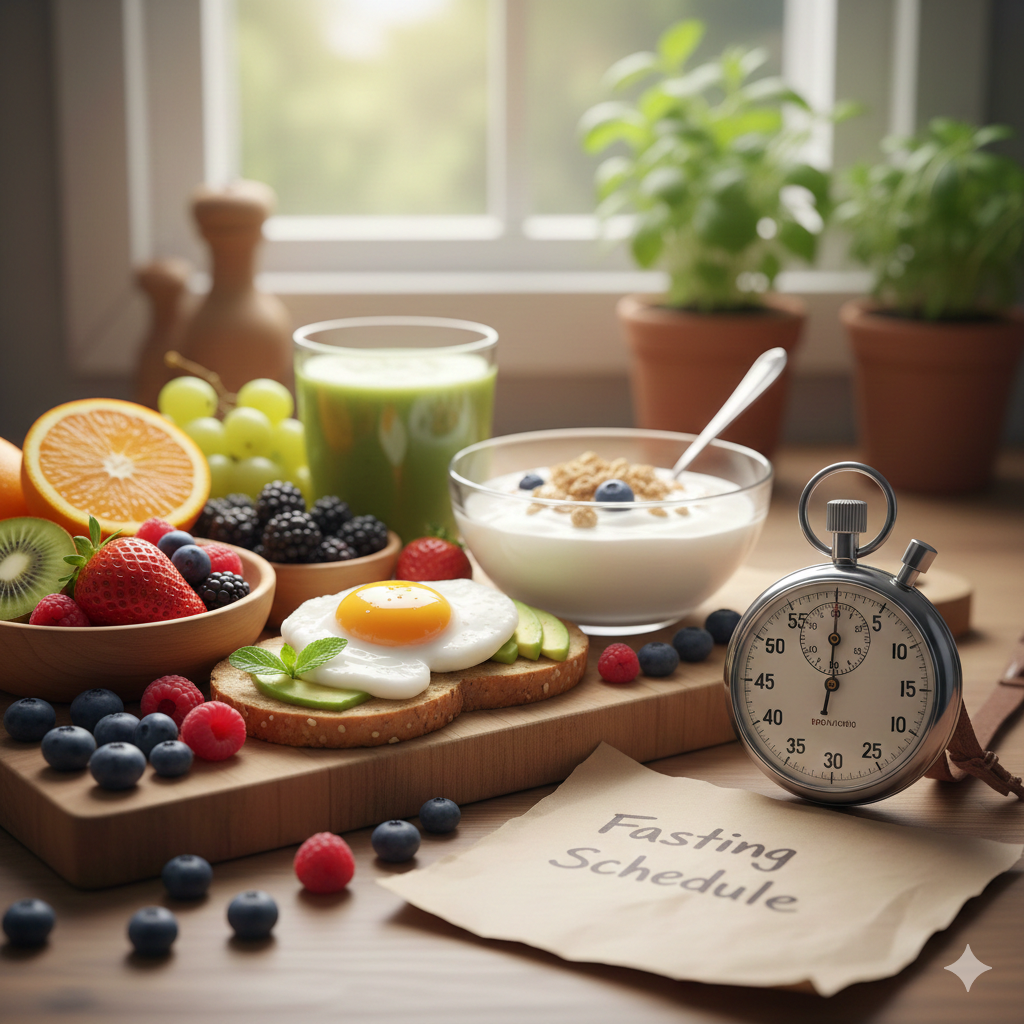
- Protein-rich breakfasts
- Light morning meals instead of skipping your first meal
- The goal is nourishment, not deprivation.
The Best Replacement for Fasting: A Balanced, Metabolism-Supporting Morning Routine
You don’t need to starve to lose weight.
You need the right morning anchors.
Suggested Items to Support Women’s Metabolism:
High-protein breakfast shakes
-Amazon link: https://www.amazon.com/s?k=protein+shake
Electrolyte hydration mix
-Amazon link: https://www.amazon.com/s?k=electrolyte+powder
Magnesium glycinate for stress regulation
-Amazon link: https://www.amazon.com/s?k=magnesium+glycinate
Women’s multivitamin with iron
-Amazon link: https://www.amazon.com/s?k=women%27s+multivitamin
You’re not “breaking your fast”—you’re fueling your hormones.
The Celebrity Example That Proves It
Another celebrity—this one a major pop star—openly discussed how skipping breakfast wrecked her energy levels during tours. Once she ditched fasting and switched to a morning meal with:
- Protein
- Healthy fats
- Hydration
She felt her mood, performance, and metabolism snap back almost overnight.
Her trainer even said:
“Women don’t need to eat less. They need to eat smarter—and earlier.”
And that advice?
Works for pretty much everyone.
The Final Takeaway
Fasting might work wonders for men.
But women?
It can cause stress, hormonal chaos, metabolic slowdown, and emotional turbulence.
Not because women are fragile—because they’re biologically optimized for survival, not starvation.
If fasting feels like a fight, your body isn’t disobedient.
It’s intelligent.
Listen to it.
Medical Review & Sources
Medically Reviewed By
Dr. Emily Carter, MD
Board-Certified Family Medicine Physician
Clinical focus: women’s metabolic health, thyroid disorders, and lifestyle medicine
Key Sources
- National Institutes of Health (NIH) – Energy availability and female endocrine response
- Journal of Clinical Endocrinology & Metabolism – Fasting, cortisol, and reproductive hormones
- Harvard T.H. Chan School of Public Health – Intermittent fasting evidence review
- International Journal of Endocrinology – Thyroid response to caloric restriction
- American College of Obstetricians and Gynecologists (ACOG) – Menstrual cycle regulation and nutrition
Author Credentials
Written by Sarah Mitchell, MS, RD
Registered Dietitian Nutritionist
10+ years experience in women’s metabolic health, eating behavior psychology, and evidence-based nutrition education. Sarah’s work focuses on dismantling diet myths and translating clinical research into practical guidance for everyday women.

