
Video Games
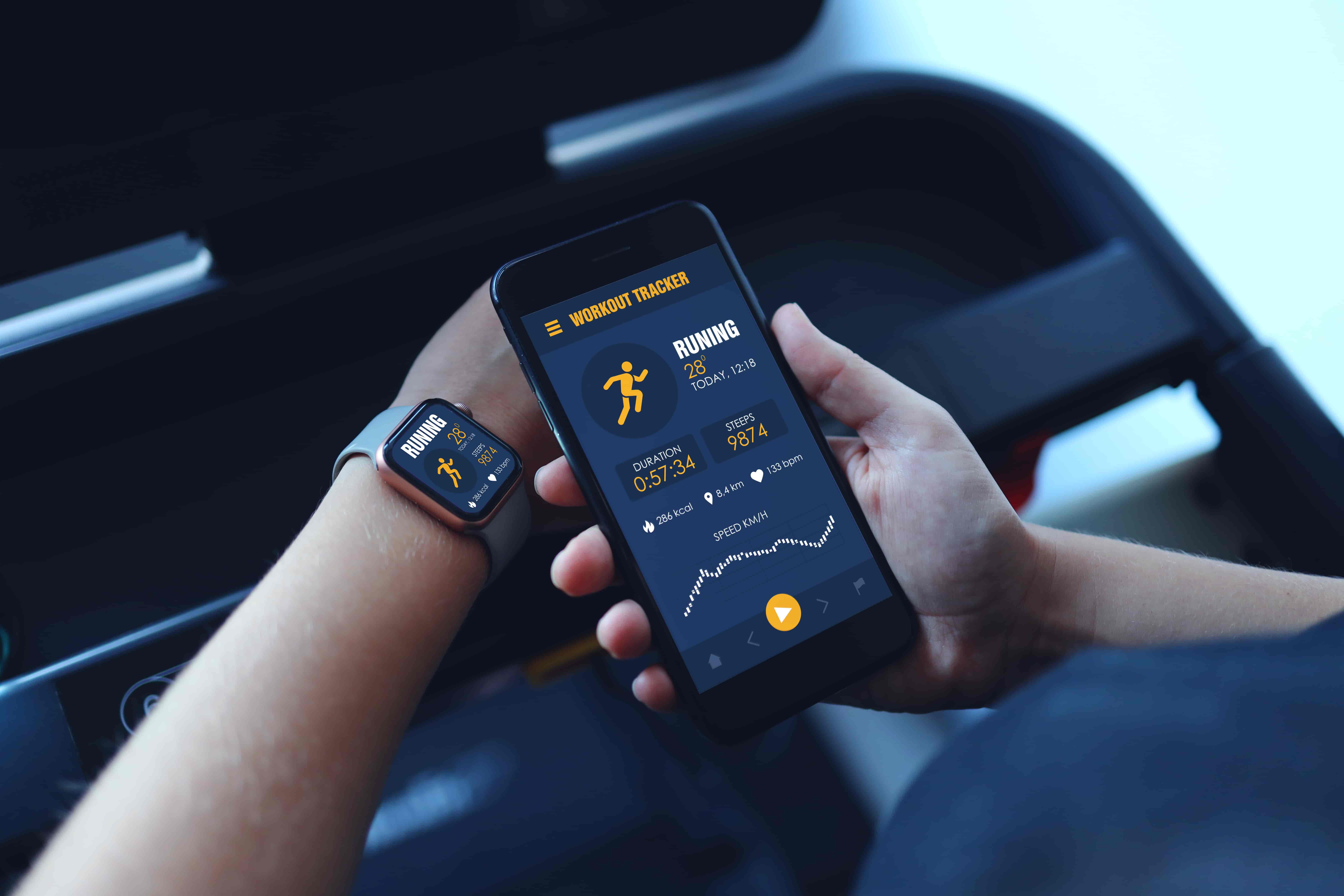
Fitness Trackers Are Lying to You: The Data That’s Making You Fatter
Written by: Dr. Olivia Hartman, PhD, Behavioral Health Researcher & Certified Exercise Physiologist
About the Author: Dr. Hartman has spent over 12 years studying the psychology of health behavior, wearable fitness technology accuracy, and long-term habit formation. Her work has been featured in Health Psychology Review, The American Journal of Lifestyle Medicine, and multiple health technology panels. She consults for digital-health companies and teaches evidence-based fitness tracking methods.
Fitness Trackers Are Lying to You: The Data That’s Making You Fatter
Fitness trackers were supposed to be the miracle tool that finally got us moving. Steps, calories, sleep cycles—every metric neatly displayed on your wrist like your own personal coach. But here’s the uncomfortable truth:
Your fitness tracker might be giving you data that pushes you farther away from your health goals.
Over the last five years, dozens of studies have raised questions about the accuracy of consumer wearables. And while they’re motivating, fun, and sometimes useful, they often overestimate your effort and underestimate your intake, creating a false sense of progress.
And for many people, that overconfidence leads to weight gain—not weight loss.
In this article, we break down the myths, the science, and the solutions so you can use your tracker intelligently—not blindly.
1. The Calorie-Burn Myth: Why the Numbers Don’t Add Up
If you've ever looked at your tracker and thought, “Wow, I burned 700 calories on that walk?” — you’re not alone.
Multiple independent studies from Stanford, Harvard, and the Mayo Clinic have found that popular wearables are:
- 20–60% inaccurate at measuring calorie expenditure
- Often overestimate calories during light activities like walking
- Frequently underestimate calories during intense activities
This matters because calories-out is the number people use to justify calories-in.
If your watch tells you that you burned 700 calories, you may think you’ve “earned” a burger or dessert—when in reality, you may have burned only 350.
Small errors like this repeated daily result in hundreds of extra calories that feel justified, logical, even healthy.
That’s how people gain weight while thinking they’re doing everything right.
2. The Steps Illusion: 10,000 Is Not a Magic Number
The 10,000-step goal did not come from medical science.
It came from a marketing campaign by a Japanese pedometer company in the 1960s.
More recent evidence shows:
- 4,000–7,000 steps is enough for most adults to reduce mortality risk
- Intensity matters more than step count
- Your metabolism doesn’t care if those steps come from meaningful activity or aimless pacing
But fitness trackers gamify movement, rewarding meaningless steps—like walking around your living room at 11:58 PM just to close a ring.
This creates activity inflation:
“I hit 10k steps, so I’m obviously active.”
But if those are all low-effort steps, your total energy burn may still be low—and your appetite may still rise
3. The Heart Rate Problem: Why Fat-Burn Zones Are Misleading
Fat-burn zones sound scientific and precise—but heart rate tracking on most wearables is:
- Highly accurate at rest
- Moderately accurate during walking
- Unreliable during strength training or HIIT
- If you lift weights, your tracker may completely miss the spikes of intensity.
This causes two issues:
1. You may underestimate your workout intensity
Which makes you think you’re not working hard enough.
2. You may overestimate your calorie burn
Which makes you think you can eat more.
The result?
Confusion, frustration, and weight gain despite effort.
4. “Health Scores” Create a False Sense of Achievement
Many apps assign a daily “readiness score,” “strain score,” “sleep map,” or “stress index.”
These can be helpful trends—but they’re not medical assessments.
They are estimates built from:
- Optical sensors
- Accelerometers
- Algorithms
- Self-reported data
And they can easily reward:
- Staying still (because low movement = “low stress”)
- Sleeping longer on weekends (even if the quality is poor)
- Lower heart rate (even if caused by fatigue, not fitness)
- People start optimizing for the score, not their actual health.
This creates performance anxiety, sleep obsession, and disordered exercise patterns.
5. The Real Issue: Behavioral Distortion
The biggest danger of fitness trackers isn’t the data itself.
It’s how the data changes behavior.
How Trackers Promote Overeating
- Overestimation of calorie burn
- Gamification of trivial movement
- “Reward” mentality after workouts
How Trackers Create Undertraining
- Believing walking is enough
- Mistaking quantity for quality
- Ignoring strength training
How Trackers Increase Stress
- Pressure to close rings
- Anxiety when metrics fluctuate
- Comparing your stats to others
If your tracker increases guilt, panic, frustration, or overconfidence, it may be hurting—not helping—your health.
6. How to Use Fitness Trackers Correctly (Without Being Misled)
Wearables are not bad. They are tools.
The key is understanding what they can and cannot do.
Trackers Do Well:
- Habit formation
- Step reminders
- Heart rate trends
- Sleep duration
- Motivation and accountability
Trackers Do Poorly:
- Calorie burn accuracy
- Fat-burn zone estimation
- Sleep stage analysis
- Weight-loss predictions
- Stress and recovery scores
Smart Rules for Healthy Tracking
- Ignore calorie burn estimates entirely.
Use them only as trends, never as truth. - Focus on consistency, not numbers.
Aim for regular movement + strength training 2–3× per week. - Use heart rate as a guide, not a command.
- Use steps for movement—not calorie justification.
- Don’t chase the app score.
Chase real-life energy, strength, and mood. - Pair the tracker with reality:
If your weight is trending up, adjust your nutrition—not your watch.
7. The Bottom Line: Fitness Trackers Aren’t Lying—They’re Misunderstood
Fitness trackers are not malicious.
They’re simply consumer devices, not scientific instruments.
When used correctly, they’re powerful motivators.
When used blindly, they create false confidence, unearned calories, and unintentional weight gain.
The truth is simple:
A fitness tracker can help you move more—but it cannot tell you exactly how many calories you’re burning, how much fat you’re losing, or how healthy you truly are.
Your body is not an algorithm.
And good health doesn’t come from numbers—it comes from long-term, mindful habits.

