
Cosmetic Equipment
Forget Gluten: Lectins Are the New Health Terrorist (And They're Everywhere).
Pillar Guide to Lectins, Inflammation, and Digestive Health
Byline
Written by: Jordan M. Hale, MSc, Nutrition Science
Medically Reviewed by: Dr. Rebecca Lin, MD, Internal Medicine & Clinical Nutrition
Introduction: Why the Gluten Debate May Be Missing the Bigger Picture
For more than a decade, gluten has dominated the conversation around digestive health. Grocery aisles filled with gluten-free alternatives, wellness influencers blamed gluten for bloating and fatigue, and millions eliminated wheat in search of better health.
Yet for many people, removing gluten hasn’t delivered the promised relief.
This has led researchers and clinicians to ask a more nuanced question:
What if gluten isn’t the only dietary trigger — or even the primary one?
Increasing attention has turned to lectins, naturally occurring plant proteins found in many foods widely considered “healthy.” While lectins are not inherently dangerous, emerging evidence suggests that in susceptible individuals, they may contribute to gut irritation, inflammation, and immune activation.
This pillar article examines what lectins are, how they interact with the digestive system, who may be sensitive to them, and how to reduce potential risks without unnecessary food fear.
What Are Lectins?
Lectins are carbohydrate-binding proteins found throughout the plant kingdom. Their biological role is defensive — discouraging insects and animals from eating the plant.
In humans, lectins can:
- Bind to intestinal cell membranes
- Resist digestion in their raw form
- Interact with gut bacteria and immune cells
Not all lectins behave the same way. Some are harmless or even beneficial when properly prepared, while others — especially in raw or undercooked foods — can irritate the digestive tract.
Where Lectins Are Commonly Found
Lectins occur naturally in many staple foods, including:
High-Lectin Foods (Especially When Raw or Undercooked)
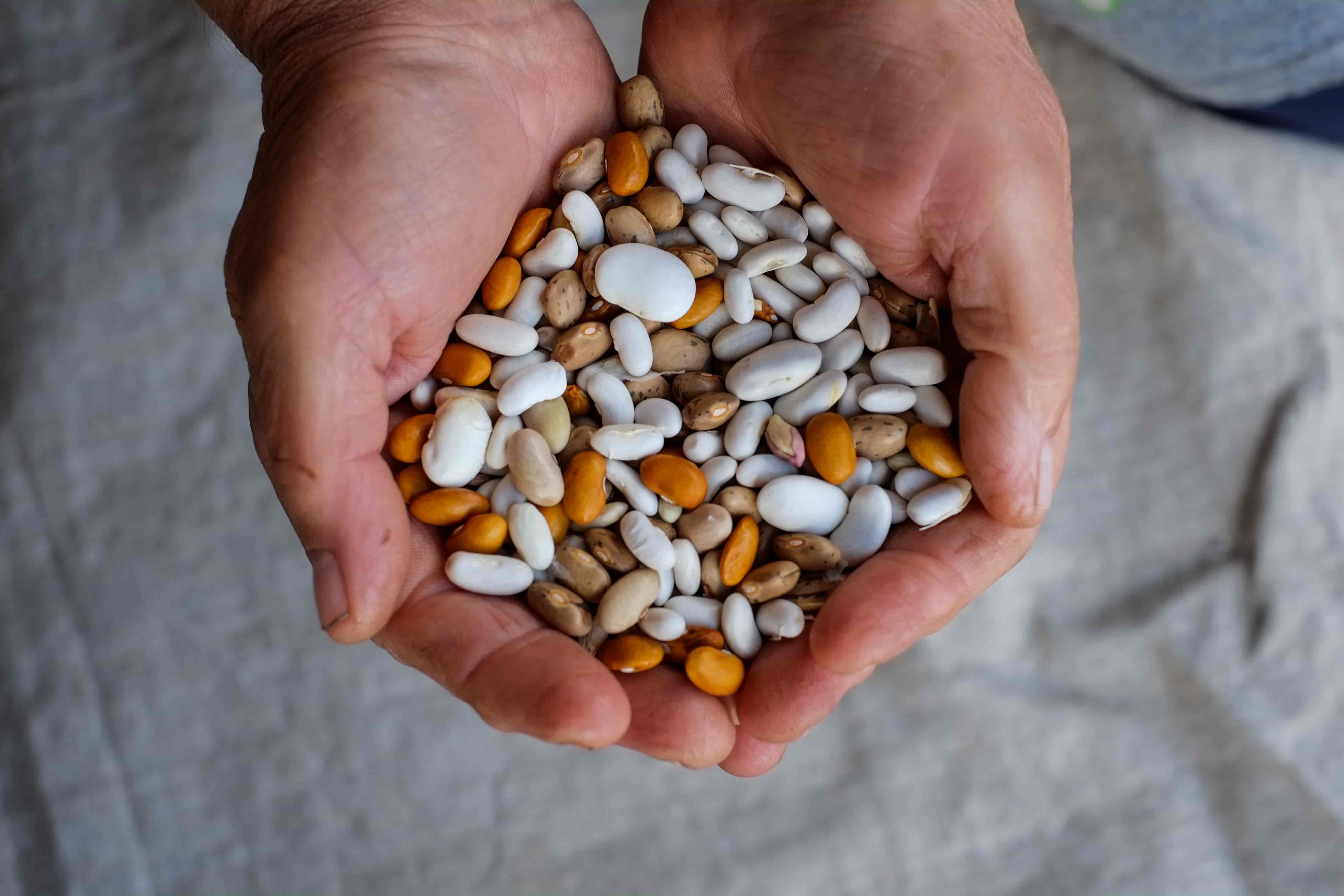
- Legumes: lentils, chickpeas, kidney beans, soybeans
- Whole grains: wheat, barley, quinoa
- Nightshade vegetables: tomatoes, potatoes, eggplant, peppers
- Certain nuts and seeds: peanuts, cashews
These foods are not “bad,” but preparation matters significantly.
How Lectins May Affect Gut Health
Research suggests that certain lectins can:
1. Disrupt the Gut Barrier
Lectins may bind to intestinal epithelial cells, potentially increasing intestinal permeability in sensitive individuals — often referred to as “leaky gut” in non-clinical language.
2. Trigger Immune Activation
When lectins cross or irritate the gut lining, the immune system may respond, leading to low-grade inflammation.
3. Interfere With Nutrient Absorption
Some lectins can bind minerals such as iron, calcium, and zinc, reducing their absorption.
4. Alter Gut Microbiota Balance
In excess, lectins may favor gas-producing or inflammatory bacterial species in the gut.
It is important to note: these effects are not universal. Many people tolerate lectin-containing foods without issue.
Why Some People Feel Worse on “Clean” Diets
Individuals most likely to notice lectin sensitivity often have:
- Irritable Bowel Syndrome (IBS)
- Autoimmune conditions
- Chronic inflammation or fatigue
- Dysbiosis (imbalanced gut microbiome)
- High stress and poor sleep (which weaken gut barrier integrity)
For these individuals, diets high in raw vegetables, legumes, and whole grains may paradoxically worsen symptoms.
The Role of Cooking and Food Preparation
Traditional food cultures rarely consumed high-lectin foods raw. Preparation methods dramatically reduce lectin content:
Effective Lectin-Reducing Methods
- Pressure cooking (especially for beans and lentils)
- Soaking and fermenting
- Peeling and deseeding nightshades
- Roasting or blanching nuts and seeds
Well-prepared legumes and grains are far less problematic than raw or undercooked versions.
Do Lectins Cause Weight Gain or Inflammation?
There is no strong evidence that lectins directly cause weight gain in the general population.
However, in sensitive individuals, chronic gut irritation may contribute indirectly to:
- Insulin resistance
- Increased inflammation markers
- Hormonal disruption linked to appetite regulation
This explains why some people report symptom improvement on temporary lectin-reduced diets
A Balanced Approach: Should You Avoid Lectins Completely?
For most people, complete lectin avoidance is unnecessary and overly restrictive.
- A smarter approach includes:
- Identifying personal triggers
- Prioritizing properly cooked foods
- Rotating food choices
- Paying attention to symptoms rather than trends
A short-term elimination (2–3 weeks) followed by structured reintroduction can help determine individual tolerance.
Practical Tips for a Lectin-Conscious Diet
- Pressure-cook beans instead of slow-cooking
- Choose fermented foods like tempeh or sourdough
- Remove skins and seeds from tomatoes and peppers
- Balance plant foods with adequate protein and healthy fats
- Avoid relying heavily on raw legumes or grains
Key Takeaway: Lectins Are Not the Enemy — But Context Matters
Lectins are neither villains nor miracle toxins.
They are biologically active compounds that affect people differently based on genetics, gut health, immune status, and preparation methods.
If you feel unwell despite eating “perfectly,” lectins may be worth examining — but not fearing.
True health is not about demonizing foods. It is about understanding your body’s responses and eating accordingly.
Medical Review Box
This article was medically reviewed for accuracy and balance.
Reviewer
Dr. Rebecca Lin, MD
Board-Certified Internal Medicine Physician
Clinical focus: digestive health, metabolic disorders, nutrition-related inflammation
Scientific References
- Harvard T.H. Chan School of Public Health – Lectins and Nutrition
- National Institutes of Health (NIH): Plant Lectins and Gut Permeability
- Journal of Nutrition: Effects of Food Preparation on Antinutrients
- Cleveland Clinic: Lectins — What They Are and How They Affect Digestion
- American Journal of Clinical Nutrition: Diet, Gut Barrier Function, and Immune Response
Author Credentials
Jordan M. Hale, MSc
Master of Science in Nutrition Science
Former research contributor in gut microbiome and dietary inflammation
Specializes in evidence-based nutrition education and long-form health journalism

