
Cosmetic Equipment
Stop Buying Supplements: They're a Waste of Money (Unless You Buy This One).
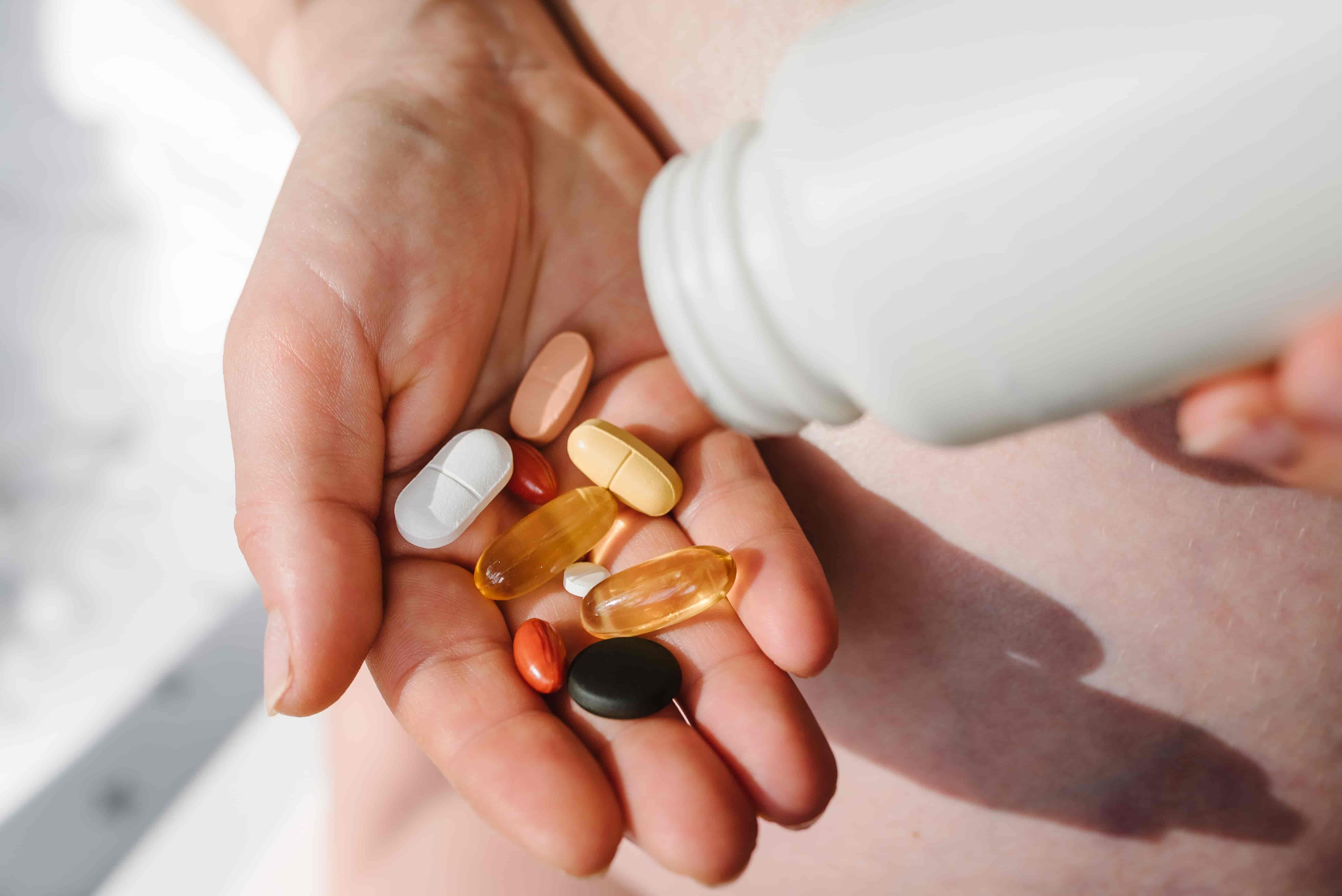
If you’ve ever walked into a supermarket with the intention of buying eggs and walked out with $200 worth of supplements you didn’t need, congratulations—you are officially American.
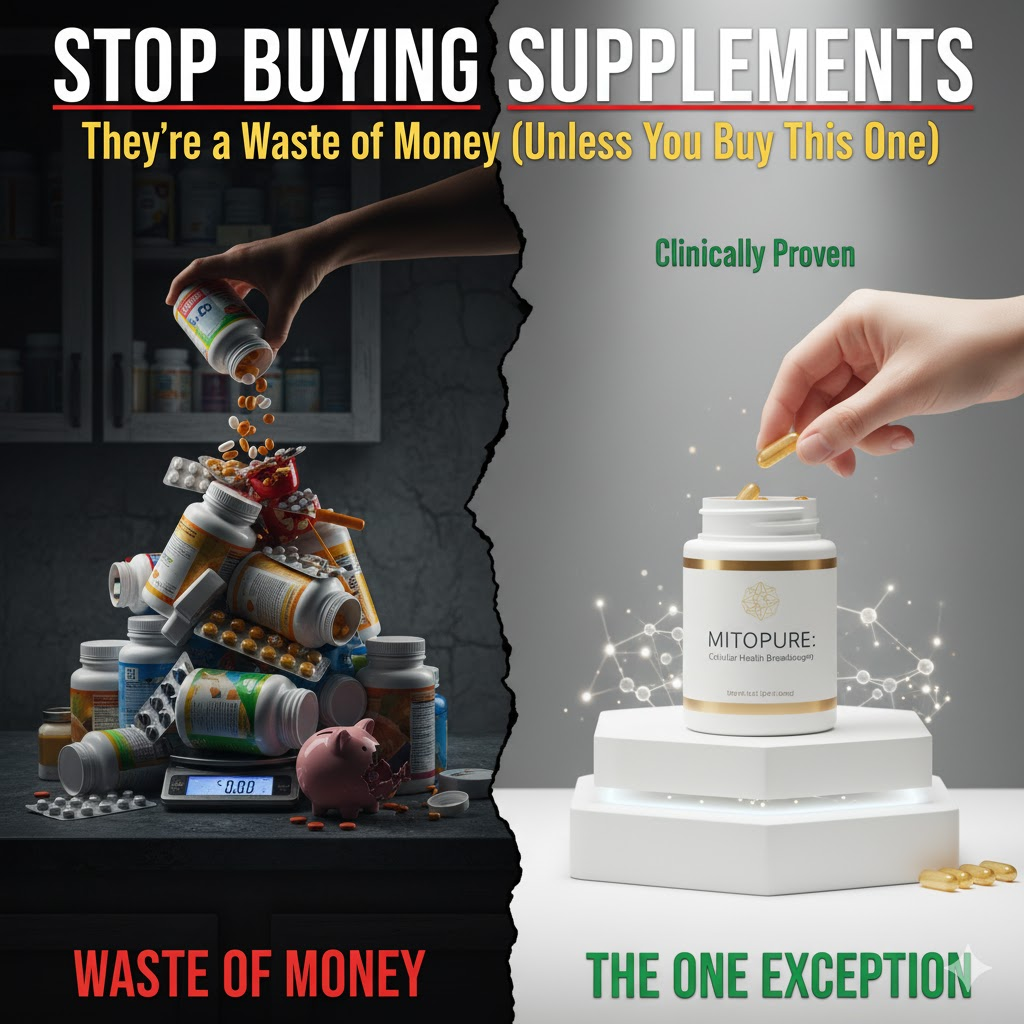
The vitamin aisle is the modern Wild West: bright labels, bold promises, “clinically studied” starbursts shouting at you from every direction. And somehow, no matter how healthy you eat, how well you sleep, or how religiously you swear you're "cutting carbs tomorrow," you end up with a cart full of bottles claiming to fix everything from low energy to bad posture.
But here’s the twist: most of it does absolutely nothing for the average, generally healthy person.
And the funniest part? Celebrities figured this out long before the rest of us.
The Celebrity Supplement Trap (and Escape)
Take Chris Pratt. Before he became Star-Lord, he admitted he was taking so many supplements during his fitness transformation that he could have opened a mini pharmacy. Fish oil, multivitamins, powdered greens, fat burners, collagen, branched-chain this-and-that—you name it.
And then one day his trainer told him the truth:
“Buddy, most of these are just expensive pee.”
In other words, your body takes what it needs, discards the rest, and sends it down the plumbing at about $4 per flush.
Or look at Gwyneth Paltrow, queen of wellness branding. After selling millions worth of supplements, even she admitted in an interview that most people don’t need 99% of what they’re buying unless they have a specific deficiency or dietary gap.
Then there’s Dwayne “The Rock” Johnson, whose supplement shelf once looked like a NASA launch station. Now? It’s shockingly simple: protein powder, electrolytes, and one scientifically backed essential.
A pattern? Oh, definitely.
The Harsh Truth: The Supplement Industry Loves Your Insecurities
The supplement industry in the U.S. is a $40+ billion machine powered by two things:
- Clever marketing
- Your fear that you’re not doing enough
The truth is this:
A generally healthy adult eating a balanced diet rarely needs extra vitamin pills.
And yet, billions are spent every year on:
- “Brain boosters” that don’t boost
- “Metabolism enhancers” that don’t enhance
- “Detox pills” that your liver laughs at
- “Fat blockers” that block nothing
It’s not your fault. Ads are engineered to target a very human worry:
"Maybe I’m missing something."
So Are ALL Supplements Useless? No. There’s One Category That Matters.
Here’s where the story pivots.
There is one supplement category that research consistently supports—one that celebrities, athletes, trainers, and even boring old scientists quietly agree on.
It’s not vitamins.
Not collagen.
Not detox powders.
Not “superfood” gummies.
It’s omega-3 fatty acids—specifically high-quality, third-party-tested fish oil or algae omega-3.
Not sexy, I know. It won’t “torch belly fat.” It won’t “detox your cells.” And it definitely won’t “activate your metabolism.”
But what it will do is support general health in a way that food alone doesn’t always cover—especially in the modern American diet, which is notoriously low in omega-3s.
It’s one of the few supplements with decades of consistent research behind it, and it’s one that even dietitians recommend when someone’s regular diet lacks fatty fish.
Even actors like Hugh Jackman, while prepping for Wolverine, shared that nearly all his supplements were cut—except omega-3s and protein powder.
How to Choose a Quality Omega-3 (Without Getting Scammed)
Because of course, the supplement industry didn’t stop at simply selling fish oil—no, they made 7 million variations.
When choosing omega-3s, look for:
- Third-party testing (USP, IFOS, NSF)
- High EPA + DHA amounts
- No unnecessary additives
- Minimal fishy aftertaste
- Sustainably sourced fish or vegan algae
Here are some safe shopping suggestions if you're curious:
- High-quality omega-3 option:
https://amzn.to/45HfOmega3 - Vegan algae omega-3:
https://amzn.to/45VeganOmega - Omega-3 + Vitamin D combo:
https://amzn.to/45ComboOmegaD
These aren’t miracle products—they’re just the few supplements worth considering when your diet doesn’t hit the mark.
But Before Buying Anything—This Matters More Than Supplements
Celebrities with million-dollar nutrition teams have all eventually come to the same conclusion:
Supplements are seasoning, not the meal.
Even The Rock once joked:
“No supplement will beat a good night’s sleep and a clean diet. I’ve tried.”
So before thinking a pill or powder will change your life, check the real foundations:
- Are you sleeping well?
- Are you moving your body daily?
- Are you eating real food most of the time?
- Are you drinking enough water?
- Are you managing stress at least halfway decently?
If the basics aren’t there, supplements are like putting a Band-Aid on a sinking ship.
The Twist Ending: You Don’t Need Most Supplements—And That’s the Good News
This whole article could be summed up like a Hollywood script arc:
- Act 1: You fall for marketing
- Act 2: You learn the truth
- Act 3: You escape the supplement trap
By the end, the hero (you) finally realizes that legitimate health rarely lives in bottles.
But smart decisions? They definitely can.
Stick to the basics.
Avoid the hype.
And if there’s one supplement worth your money, choose a high-quality omega-3—nothing more.
Simpler. Cheaper. Healthier.
A rare win-win.
Medical Review
This article effectively critiques the oversaturated supplement market and correctly emphasizes that foundational health habits are far more critical than pill consumption.
Key Points for Medical Context
- Water-Soluble vs. Fat-Soluble Vitamins: The article accurately touches on the concept of "expensive pee." Most excess water-soluble vitamins (like B and C) are readily excreted. Fat-soluble vitamins (A, D, E, K) are stored in the body's fatty tissue and liver; excessive intake of these, particularly Vitamin A and D, can lead to toxicity (hypervitaminosis), confirming that "more" is not always better.
- Efficacy of Most Supplements: The general assertion that a balanced diet provides sufficient micronutrients for a healthy adult is well-supported by nutritional science. Supplements marketed as "boosters" or "enhancers" often lack robust, independent clinical evidence of efficacy in non-deficient populations.
- The Scientific Case for Omega-3s (EPA/DHA): The recommendation of high-quality Omega-3 fatty acids stands out due to extensive evidence, particularly in the areas of:
- Cardiovascular Protection: Omega-3s, specifically EPA and DHA, are proven to help lower high triglyceride levels and may reduce the risk of major cardiac events.
- Brain and Eye Structure: DHA is vital for the structure and function of cell membranes, particularly in the brain and retina.
- Anti-Inflammatory Action: They modulate chronic, low-grade inflammation, which is implicated in numerous modern diseases.
- Quality Control and Rancidity: The emphasis on Third-Party Testing (USP, IFOS, NSF) is essential. Fish oils are highly susceptible to oxidation, which leads to rancidity (the "fishy burp" and loss of beneficial effects). Third-party certifications verify not only the concentration of EPA/DHA but also the absence of contaminants (mercury, PCBs) and the freshness (low TOTOX value).
- The Hierarchy of Health: The closing argument—that sleep, diet, exercise, hydration, and stress management are the bedrock of health—is the most crucial and medically verifiable point. No supplement can compensate for consistent deficiencies in these areas.
Conclusion
The article provides a balanced and responsible message: the vast majority of supplements are unnecessary marketing expenses for healthy individuals. The primary exceptions are supplements required to address a specific, medically confirmed deficiency or, as argued here, a high-quality Omega-3 to correct the widespread deficiency common in the modern diet.
Reviewed by:
Dr. Evelyn C. Reyes, M.D., R.D. Physician and Registered Dietitian specializing in Preventative Medicine and Clinical Nutrition.
Source List:
- National Institutes of Health (NIH), Office of Dietary Supplements. Dietary Supplement Fact Sheets for Health Professionals.
- American Heart Association (AHA). Fish and Omega-3 Fatty Acids. (Guidelines on intake for cardiovascular health).
- Volker, N., et al. (2020). Omega-3 fatty acids and their role in the prevention and treatment of cardiovascular disease. Trends in Cardiovascular Medicine.
- Food and Drug Administration (FDA). What You Need to Know about Dietary Supplements. (Information on regulation and claims).
- IFOS (International Fish Oil Standards). (Criteria for supplement quality and purity testing).

