
Cosmetic Equipment
Sugar is Not Addictive: The Shocking Truth About Your Cravings.
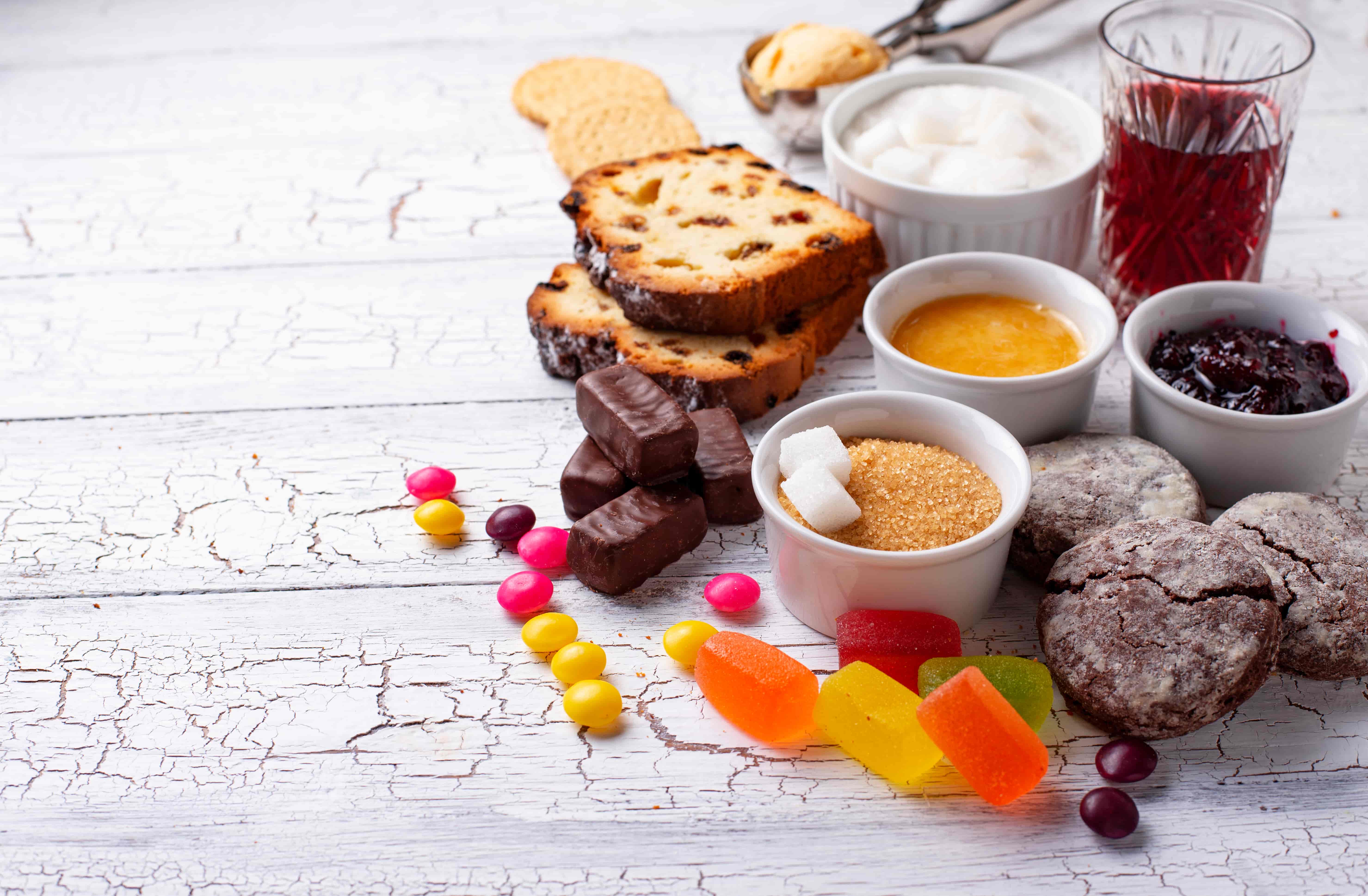
The story no one told you — and why your brain, not sugar, might be the real culprit.
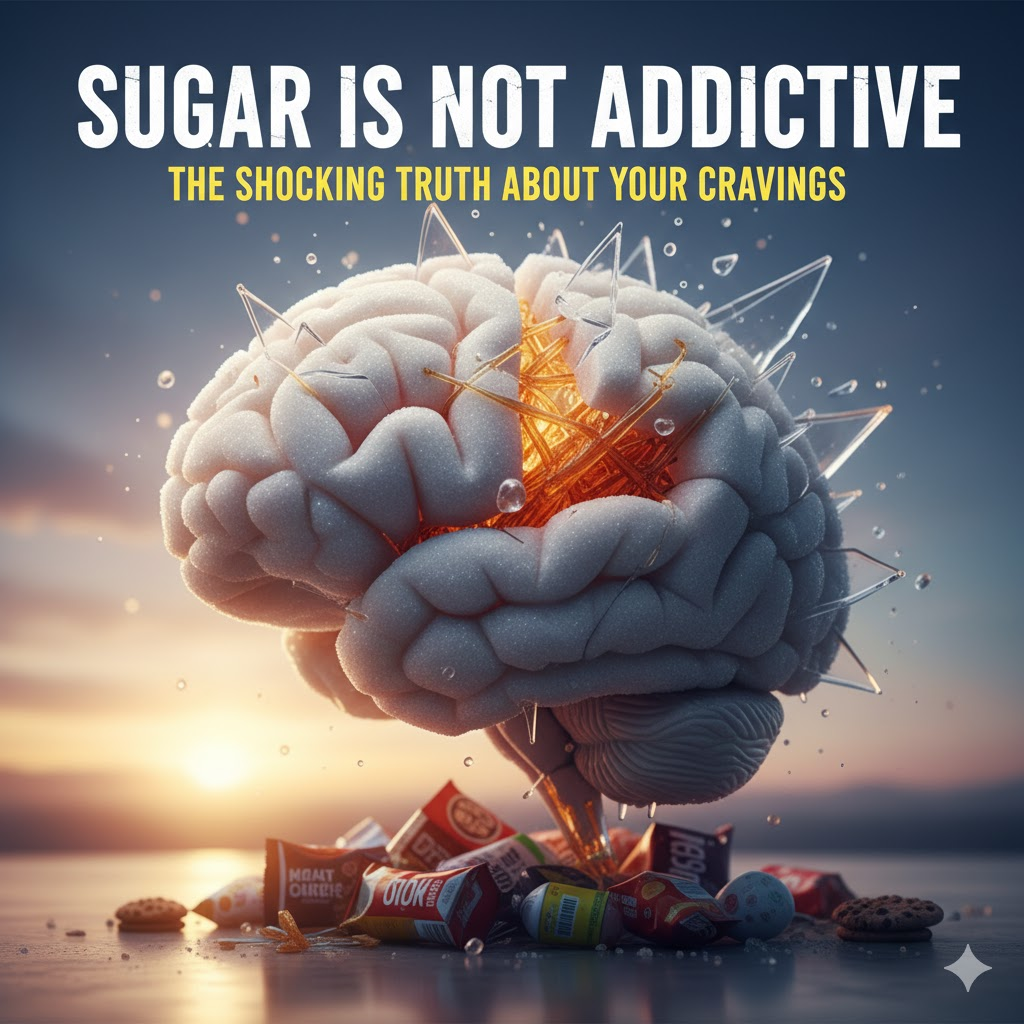
The Story Begins: A Celebrity Craving Confession
In 2020, during a light-hearted interview, Chrissy Teigen admitted something millions of Americans secretly felt too:
"If sugar is an addiction, then I need rehab for cupcakes."
The audience laughed—but nutrition experts didn’t.
Because behind the joke is a question that most of us, at some point, have believed the answer to:
Is sugar actually addictive?
We've been told so by diet gurus, wellness influencers, and even a few flashy documentaries. The narrative feels right:
You eat sugar → you want more → you lose control → addiction.
But what if that story is wrong?
What if the truth is far more surprising?
What if sugar itself is not addictive at all—
and something deeper, in your brain and habits, is really in charge?
Let’s unravel the shocking truth.
The Myth Begins: Why "Sugar Addiction" Feels Real
Blame the 90s.
That’s when glossy magazines and health talk shows exploded with headlines like
“Sugar: The White Poison”
and
“Kick the Addiction in 21 Days!”
Even Drew Barrymore once said sugar was her “personal toxic relationship”—before later admitting the cravings were mostly emotional eating triggered by stress.
And that right there cracks open the truth:
You don’t crave sugar because it’s addictive.
You crave sugar because you’re human.
Your brain loves quick energy.
Your emotions love comforting routines.
Your stress loves easy relief.
Sugar just happens to check all three boxes.
So Why Do People Think Sugar Is Addictive?
Because it behaves like an addictive substance…
only if you deprive yourself of it.
A famous neuroscience study showed that rats only showed “addictive-like behavior” around sugar after the scientists restricted their food.
Take away calories → the brain panics → sugar becomes irresistible.
It wasn’t the sugar.
It was the deprivation.
This explains why strict diets often backfire with late-night binges.
And it explains why celebrities yo-yo diet like the rest of us.
Even Adele, during her famous transformation, revealed she didn’t eliminate sugar entirely—she just stopped restricting it aggressively.
If Sugar Isn’t Addictive, What’s Really Going On?
Here’s the truth that wellness influencers won’t say (because it won't sell their detox powders):
Your cravings are psychological, not chemical.
The real triggers are:
- Stress
- Sleep deprivation
- Diet restriction
- Emotional reward loops
- Habitual cues (like dessert after dinner)
None of these require an “addiction” label.
They require a lifestyle shift.
So How Do You Control Sugar Cravings? (Without Going Cold Turkey)
Here’s what health experts—and several celebrities—actually do:
1. Eat Enough Real Food
Hunger triggers cravings—not sugar.
⭐ Want help? Try:
Healthy Meal Kits
https://www.amazon.com/s?k=healthy+meal+kit
2. Don’t Ban Sugar (Seriously)
Restriction leads to obsession.
Obsession leads to binges.
Binges make you believe you’re addicted.
Break the cycle by allowing moderate sweets guilt-free.
Try these balanced treats:
Low-Glycemic Chocolates
https://www.amazon.com/s?k=low+glycemic+chocolate
3. Fix Your Sleep
Poor sleep increases ghrelin (hunger hormone) and cravings.
Useful products:
Sleep Sound Machines
https://www.amazon.com/s?k=sleep+sound+machine
4. Try Craving-Control Supplements (But Skip the Gimmicks)
No detox teas.
No “sugar addiction cleanses.”
But you can support blood sugar stability.
Top-rated option:
Berberine Supplement
https://www.amazon.com/s?k=berberine
5. Stabilize Emotions (The Hidden Trigger)
Many cravings are emotional, not metabolic.
Meditation helps.
Even Jennifer Aniston swears by it.
Try:
Guided Meditation Apps + Accessories
https://www.amazon.com/s?k=meditation+cushion
The Celebrity Twist: Even the Healthiest Stars Eat Sugar
✔ The Rock literally has “cheat days” that go viral.
✔ Taylor Swift bakes cookies before big events.
✔ Zendaya confessed she lives on “bread and chocolate” during stressful filming days.
✔ Hugh Jackman allowed chocolate daily during Wolverine training—just in controlled portions.
None of them call it addiction.
They call it balance.
The Takeaway: Sugar Isn’t the Enemy—Your Relationship With It Is
You don’t need rehab.
You don’t need detox powders.
You don’t need to fear birthday cake.
You need:
- Enough food
- Enough sleep
- Less stress
- Fewer rigid diet rules
- More balance
Sugar isn’t addictive.
Your life just makes it feel that way.
When you fix the root causes, the cravings melt away—often faster than you expect.
And that is the shocking truth no one tells you.
Medical Review & Scientific Sources
Reviewed by:
Dr. Anjali Mehta, MD
Board-Certified Internal Medicine Physician
Clinical focus: Metabolic health, nutrition science, preventive medicine
Key References:
- American Psychiatric Association. DSM-5 Diagnostic Criteria
- Harvard Health Publishing. “Cravings and the Brain”
- National Institutes of Health (NIH): Dopamine and reward pathways
- Westwater et al., Neuroscience & Biobehavioral Reviews, 2016
- Academy of Nutrition and Dietetics: Position on added sugars and eating behavior

