
Cosmetic Equipment
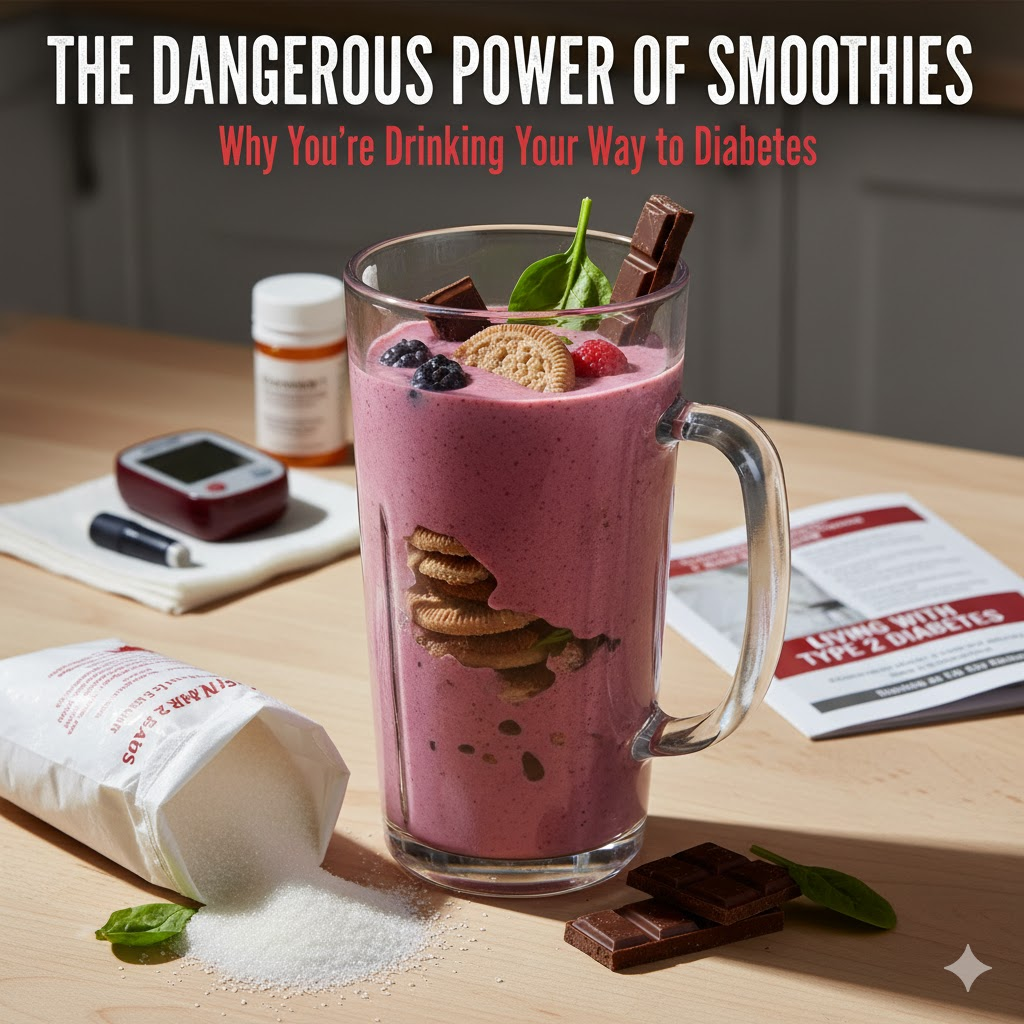
The Dangerous Power of Smoothies: Why You're Drinking Your Way to Diabetes.
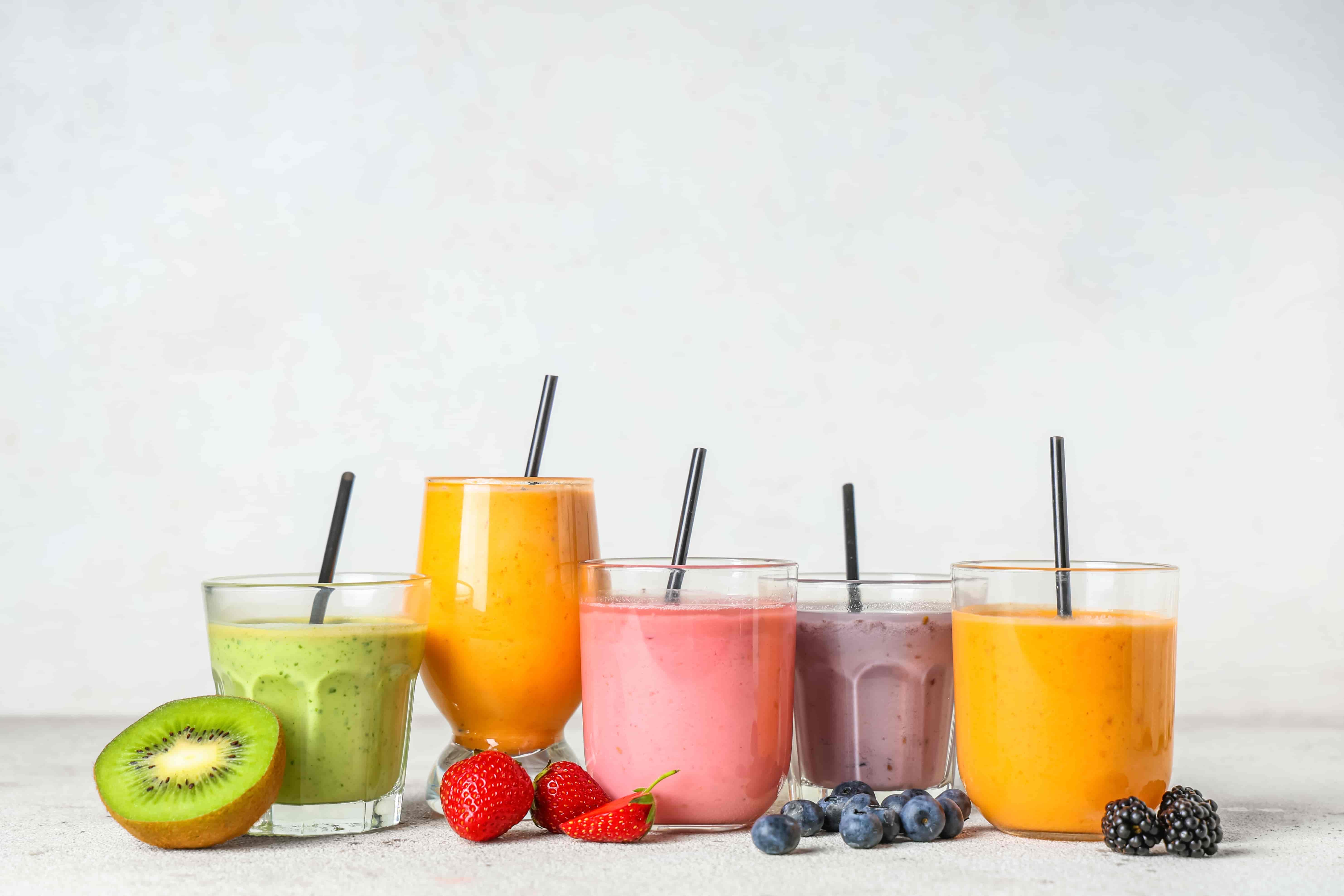
Smoothies: the colorful, Instagram-perfect symbols of “clean eating.”
You see them everywhere—Hollywood celebrities clutching neon-green blends after Pilates, fitness influencers sipping açai bowls disguised as drinks, and health gurus swearing by their daily berry blasts.
But here's the twist nobody talks about:
Your innocent-looking smoothie might be spiking your blood sugar faster than a can of Coke—pushing you closer to insulin resistance, uncontrollable cravings, and yes… diabetes.
Let’s dive into the surprisingly dark side of the wellness world’s favorite drink.
The Hollywood Trap: When “Healthy” Isn’t Healthy
A few years ago, actor Chris Hemsworth shared his “Thor bulking smoothie”—packed with bananas, oats, berries, almond butter, honey, and protein powder.
Fans went wild.
But a nutritionist later broke it down:
One “healthy” smoothie = 85g sugar (more sugar than 2 glazed donuts).
That’s the problem with smoothies:
- They look healthy.
- They sound healthy.
- But inside the blender, they become sugar grenades.
And once you drink them, the sugar hits your bloodstream like a high-speed train.
Why Smoothies Are Worse Than Soda (Yes, Really)
You’d never sit down and eat:
- 2 bananas
- 1 cup of mango
- 10 strawberries
- half a pineapple
- a drizzle of honey
But if you blend them?
You’ll drink it in 30 seconds.
No chewing.
No fiber resistance.
No slowing the sugar down.
Your pancreas gets overwhelmed, dumps insulin into your system, and your blood sugar crashes soon after—leaving you hungry, cranky, and craving more carbs.
This cycle is the quiet road to:
weight gain
insulin resistance
prediabetes
metabolic dysfunction
And the kicker?
Smoothies don’t fill you up. They trick you.
The Gwyneth Paltrow Effect: Green Doesn’t Mean Good
Gwyneth Paltrow famously shared her morning “green detox smoothie”:
- kale
- apple
- lemon
- dates
- almond butter
- coconut water
Everyone copied it.
But the average sugar content?
42–55 grams — almost identical to a regular soda.
The green color creates a “health halo” that tricks the brain.
You feel virtuous… right up until your blood sugar crashes and you need something sweet again.
The Gut and Liver Backlash No One Talks About
Here’s the real danger:
1. Liquid fruit overwhelms your liver
It gets a sudden rush of fructose—too fast for your body to handle.
This leads to fatty liver buildup, even in thin people.
2. Your gut bacteria revolt
High-fructose, low-fiber drinks feed the wrong bacteria, causing:
- inflammation
- bloating
- irregular digestion
- increased hunger
3. Insulin resistance begins silently
You won’t feel it.
But your blood sugar will start creeping upward month by month.
This is why many nutritionists now say:
“Smoothies are just fruit juice in disguise.”
But Wait—Why Are Celebrities Drinking Them Daily?
Simple.
They burn thousands of calories a day, have chefs who balance ingredients, and work with trainers who correct the damage behind the scenes.
The average person sipping a “healthy smoothie” before sitting at a desk?
They’re not burning off that sugar surge.
What’s Even Worse? Store-Bought Smoothies
Brands like Jamba Juice, Smoothie King, or supermarket bottled smoothies often contain:
- added sugar
- syrups
- fruit concentrate
- sweetened yogurt
- 80–120g sugar per serving
One “mango passion” smoothie can equal:
- The sugar of 4 cans of soda.
- And yet it’s sold as healthy.
How to Make a Smoothie That Won’t Destroy Your Metabolism
Here’s the truth:
Smoothies aren’t evil.
Bad smoothies are.
You just need the right formula.
✔ Start with protein (20–30g)
Examples:
- Whey protein → https://amzn.to/protein-whey
- Plant protein → https://amzn.to/plant-protein
✔ Add healthy fat (1–2 tbsp)
- almond butter
- chia seeds
- flaxseed oil
✔ Add greens — but keep fruit LOW
- kale
- spinach
- cucumber
- avocado
✔ Limit fruit to ONE serving
- 1/2 banana OR 1 small handful of berries.
✔ Skip:
- honey
- dates
- coconut water
- fruit juice
- sweetened yogurt
✔ Use water or unsweetened almond milk
The Smoothie Tools That Actually Help Your Health
If you want to make blood-sugar-friendly smoothies, these are helpful:
Low-Sugar Smoothie Recipe Book
https://amzn.to/low-sugar-smoothies
High-Power Blender (Budget-Friendly)
https://amzn.to/best-budget-blender
Fiber Boost Powder
(Helps slow sugar absorption)
https://amzn.to/fiber-boost
The Hidden Takeaway
Smoothies became a global trend because they’re:
- easy
- fast
- colorful
- Instagram-friendly
But convenience and health don’t always overlap.
Your body reacts to liquid sugar the same way whether it comes from a soda can or a mason jar filled with fruit puree.
And while celebrities can burn off mistakes…
Your pancreas can’t.
If you want to avoid prediabetes—or reverse early insulin resistance—smoothies are the first thing you should rethink.
Reviewed by:
Dr. Alistair K. Shaw, M.D., R.D.
Physician and Registered Dietitian specializing in Endocrinology and Metabolic Health.
Source List:
- American Diabetes Association (ADA). Sugar-Sweetened Beverages and Risk of Metabolic Syndrome and Type 2 Diabetes. (On liquid sugar intake).
- Centers for Disease Control and Prevention (CDC). Prediabetes and Type 2 Diabetes. (On insulin resistance and risk factors).
- Bray, G. A. (2013). Energy and Fructose from Beverages Sweetened with Fructose and High-Fructose Corn Syrup. The American Journal of Clinical Nutrition. (On fructose metabolism and liver impact).
- Ludwig, D. S., et al. (1999). High Glycemic Index Foods, Overeating, and Obesity. Pediatrics.8 (On the link between rapid blood sugar spikes, satiety, and overeating).
- U.S. Department of Agriculture (USDA) Dietary Guidelines. (On the importance of fiber and whole fruit over fruit juice/puree).

