Cosmetic Equipment
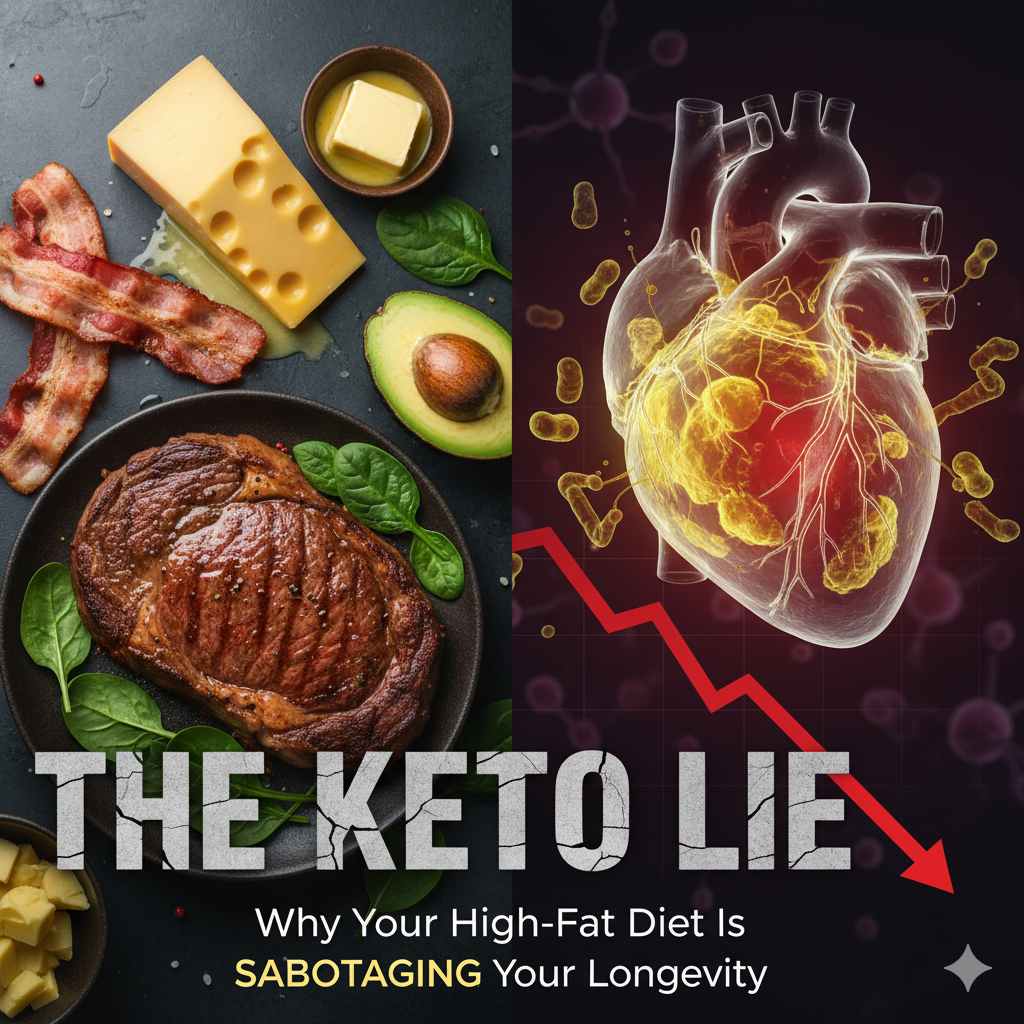
The Keto Lie: Why Your High-Fat Diet is Sabotaging Your Longevity.
Byline
Written by: Ariana Cole, MS – Health Journalist & Evidence-Based Wellness Researcher
Medically Reviewed by: Emily Hart, RD, CDCES – Registered Dietitian & Certified Diabetes Care and Education Specialist
Disclaimer: This article is for educational purposes only and does not replace individualized medical advice.
The Keto Lie: Why Your High-Fat Diet Is Sabotaging Your Longevity
For more than a decade, the ketogenic diet has been treated like a nutritional miracle—an ultra-low-carb, high-fat eating style that promises rapid weight loss and seemingly limitless energy. Social media is filled with before-and-after photos, keto success stories, and recipes featuring butter, bacon, and heavy cream.
But emerging long-term research tells a strikingly different story.
While short-term ketogenic dieting can help with weight loss, glucose control, and appetite reduction, staying on a high-fat, carb-restricted lifestyle for years may be quietly undermining heart health, shortening lifespan, and disrupting the gut microbiome in ways that science can no longer ignore.
This isn’t about fearmongering. It’s about addressing the growing disconnect between short-term keto results and long-term metabolic reality.
Let’s cut through the hype—and look at what the evidence actually shows.
The Hidden Heart Risks: When Keto Turns Against Your Arteries
Much of keto’s appeal lies in early improvements in triglycerides and blood sugar. But for a significant number of people, the high intake of saturated fat creates a dangerous metabolic trade-off.
1. LDL Cholesterol Spikes Are More Common Than You Think
Dozens of clinical studies show that high-fat, low-carb diets increase LDL cholesterol in many individuals—sometimes dramatically.
And while keto circles often downplay LDL, cardiologists do not.
Because elevated LDL isn’t just a number—it’s a well-documented causal factor in:
- Atherosclerosis (artery plaque buildup)
- Heart attacks
- Strokes
Even more concerning is keto’s effect on ApoB, the protein that represents the number of plaque-forming lipoprotein particles circulating in your blood.
2. ApoB: The Marker Keto Influencers Never Mention
ApoB is now considered more predictive of cardiovascular disease than LDL itself.
High-fat diets—especially those rich in saturated fat—can raise ApoB in ways that accelerate plaque buildup even when other markers (like triglycerides) appear improved.
3. Long-Term Outcomes Paint a Clearer Picture
A major observational study presented at the American College of Cardiology found that people following a “keto-like” eating pattern had more than double the risk of cardiovascular events over 10+ years.
So while keto may help you lose weight quickly, the cost may be silently accumulating in your arteries.
The Gut Microbiome Problem: You Can’t Starve Your Bacteria and Expect to Thrive
The human gut isn’t simply a digestion system—it’s an ecosystem powering immunity, metabolism, and inflammation control.
Keto Cuts Out the Foods That Feed a Healthy Gut
By eliminating fruits, whole grains, legumes, and starchy vegetables, keto also eliminates:
- Soluble and insoluble fiber
- Prebiotics
- Polyphenol-rich plant foods
These are the raw materials your gut bacteria require to:
- Produce butyrate, the anti-inflammatory compound that fuels colon cells
- Maintain microbiome diversity
- Support immune regulation
- Protect against insulin resistance
What Happens on Long-Term Keto?
Research shows:
- Decline in beneficial bifidobacteria
- Reduced gut diversity
- Lower short-chain fatty acid production
- Increased markers of inflammation
Gut diversity is one of the strongest predictors of longevity across human studies. Restricting the very foods that support microbial richness may undermine long-term health in ways keto dieters never intended.
The Real Longevity Secret: Complex Carbs and Fiber
If extreme carb restriction isn’t the answer, what is?
Science consistently points to a different pattern—one not rooted in trends, but in the lifestyles of the longest-living populations on Earth.
Blue Zones Don’t Do Keto. They Do Complex Carbs.
The world’s healthiest, longest-living communities—from Okinawa to Sardinia—base their diets on:
- Legumes (beans, lentils, chickpeas)
- Root vegetables
- Whole grains (oats, barley, brown rice)
- Vegetables and fruits
- Minimal animal fat
Their macronutrient ratios are often:
- 65–75% complex carbohydrates
- Low saturated fat
- High fiber intake
And their rates of chronic disease?
Among the lowest on the planet.
Why Complex Carbs Work for the Long Game
They provide:
- Steady energy without metabolic stress
- Essential vitamins and minerals often missing on keto
- High fiber to support the gut microbiome
- Powerful antioxidants that protect cellular health
Longevity isn’t built on short bursts of metabolic trickery.
It’s built on dietary patterns that nourish every system in the body—not just the fat-burning pathways
So Is Keto “Bad”? Not Exactly—but Long-Term Keto May Be
Short-term keto can offer benefits, especially for:
- People with epilepsy
- Individuals with insulin resistance
- Certain neurological or metabolic conditions
But indefinite, high-saturated-fat keto for the general population?
The evidence is stacking up against it.
A More Sustainable Approach
Instead of choosing between “all carbs” or “no carbs,” longevity research supports a balanced, whole-food diet:
- Prioritize fiber-rich plant foods
- Choose unsaturated fats over saturated fats
- Embrace slow-digesting carbs instead of extreme restriction
- Maintain moderation instead of metabolic extremes
- Your future self—heart, gut, brain, and lifespan included—will thank you.
Medical Review Box: Sources & Evidence Summary
Reviewed By: Emily Hart, RD, CDCES
Registered Dietitian & Certified Diabetes Care and Education Specialist
Key Evidence Cited
- American College of Cardiology Annual Scientific Session: Long-term data on “keto-like” diets and cardiovascular risk.
- Journal of Clinical Lipidology: Research on LCHF diets increasing LDL and ApoB levels.
- Nature Reviews Endocrinology: Gut microbiome changes associated with low-carbohydrate diets.
- American Journal of Clinical Nutrition: Effects of saturated fat on LDL and ApoB concentration.
- Blue Zones Dietary Research: Longitudinal nutrition studies examining diet patterns in long-lived populations.
- Cell Metabolism: How fiber and short-chain fatty acids influence inflammation and metabolism.
(References formatted for educational purposes; this article does not replace professional medical advice.)