
Cosmetic Equipment
The Mediterranean Diet Deception: What They Don't Tell You About the Wine.
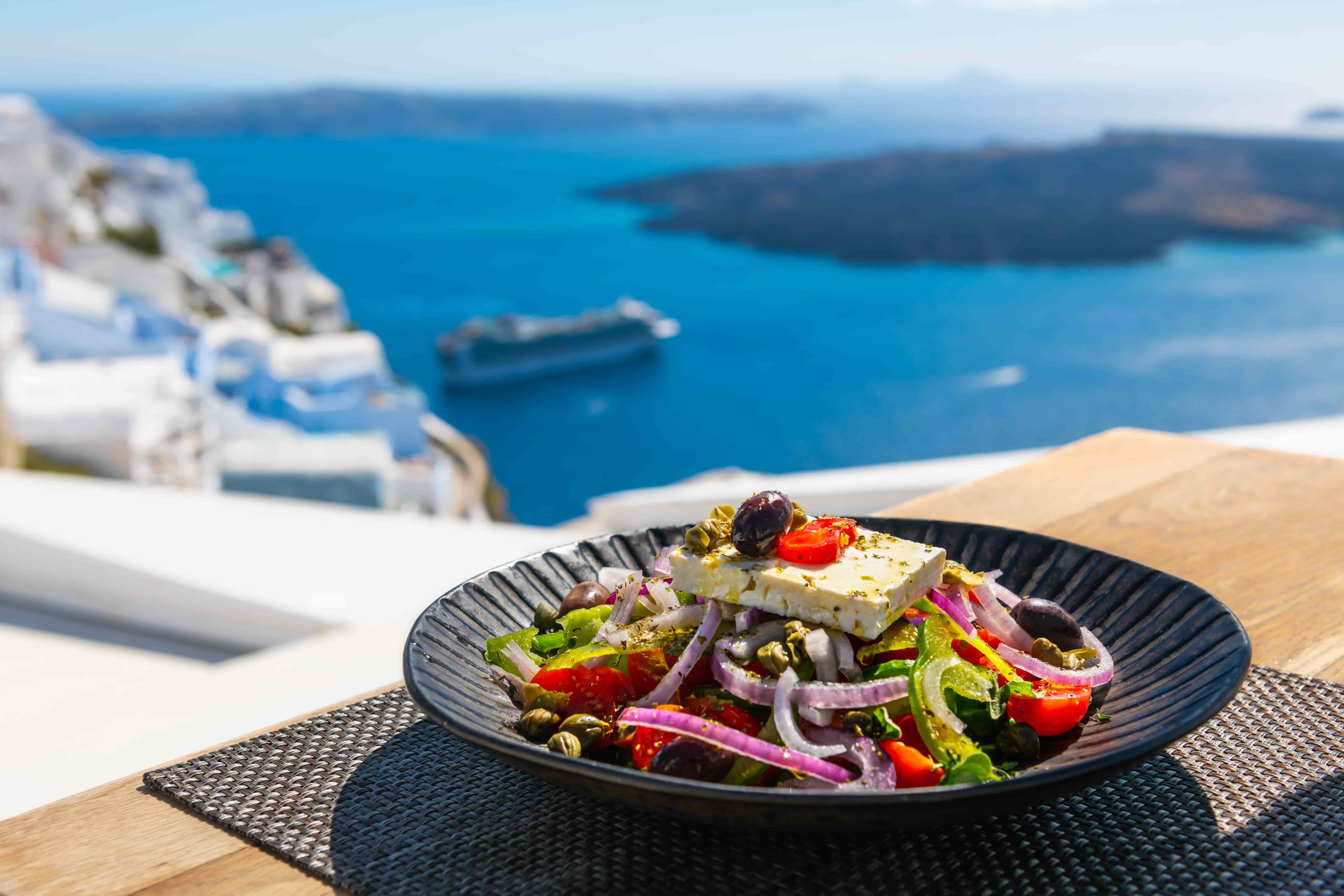
If you’ve ever flipped through a lifestyle magazine or scrolled Instagram during “New Year, New Me” season, you’ve probably stumbled upon a glowing headline like: “The Mediterranean Diet: The World’s Healthiest Way to Eat!”
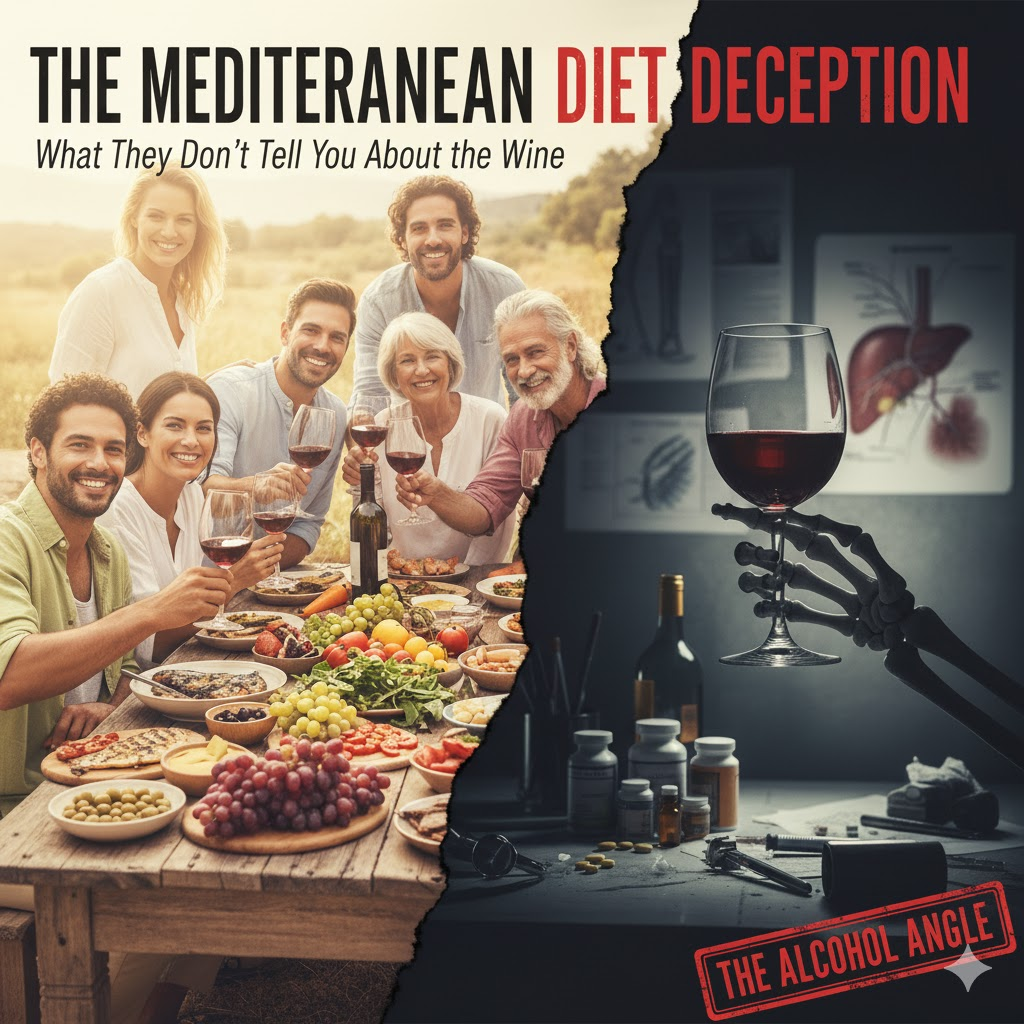
It sounds dreamy—sunlit lunches on the Amalfi Coast, fresh tomatoes still warm from the vine, a drizzle of olive oil, a glass (or three) of red wine, and magically: you’re healthier, happier, and somehow also living longer.
At least, that’s the fantasy.
But like most things in wellness, the truth is far less glamorous than the marketing. Because behind every “Eat Like a Greek God” diet guide is a missing detail—one that no influencer or cookbook author wants to talk about:
The wine is not what you think it is.
The lifestyle is not what you think it is.
And the Mediterranean diet you’re copying… is not the Mediterranean diet they're actually living.
Let’s break the illusion.
The Celebrity Obsession That Helped Spread the Myth
It really took off when Jennifer Aniston casually mentioned in an interview that her go-to vacation is Greece and that she follows a “Mediterranean-inspired diet.” Overnight, hundreds of blogs exploded with “Jennifer Aniston’s Mediterranean Diet Secrets.”
Then Tom Brady, of all people, chimed in—talking up olive oil, fresh produce, anti-inflammatory foods (he conveniently left out the wine part). Before long, the Mediterranean diet was crowned the king of healthy eating.
Suddenly everyone in Hollywood was “Mediterranean.”
Except… they weren’t.
The Real Mediterranean Diet vs. The American Copycat
Here’s the part no one talks about:
1. Mediterranean people don’t drink wine like Americans think they do.
The Instagram version:
A giant bowl-sized wine glass next to a mountain of pasta while overlooking Santorini.
The real version:
A tiny 3–4 ounce glass of wine, consumed slowly, with a lot of food, and usually with family. Not alone on the couch at 9 p.m. with Netflix.
The kicker?
Many people living in actual Mediterranean regions drink less than the average American who is “on the Mediterranean diet.”
So no — pouring yourself a “healthy pour” of Cabernet every night is not what gives them longevity.
2. They move constantly (and not at the gym).
People in Crete, Sardinia, and certain Italian villages walk miles daily. Not steps. Miles.
They garden, climb hills, socialize outdoors, carry groceries home, and cook meals from scratch.
Their secret is not ancient olive oil.
Their secret is nonstop movement, every day since childhood.
Trying to replicate this by sitting at a desk for 10 hours and then eating a Caprese salad isn't quite the same.
3. Their food is not “low-calorie”—it’s real.
The biggest deception is that Americans think the Mediterranean diet is somehow a “light” or “lean” way of eating.
But traditional Mediterranean meals are loaded with:
- Carbs
- Fats
- Oils
- Cheese
- Bread
The difference?
Quality.
Not “low-fat,” not “fat-free,” not “olive oil infused with stabilizers from aisle 17.”
Just real, unprocessed foods cooked simply.
So Where Did the Wine Myth Come From?
Blame the French Paradox.
In the 1990s, a famous study claimed the French lived longer because they drank red wine. Overnight, wine became a health drink instead of alcohol.
The problem?
The study misrepresented:
- Portion sizes
- Eating habits
- Lifestyle
- Genetics
And completely ignored that French people smoke less, walk more, eat fewer processed foods, and socialize daily — all massive contributors to longevity.
Years later, the scientists admitted the “wine = health” claim was blown way out of proportion.
But by then, wine companies and wellness brands had turned the myth into a billion-dollar industry
The Part Modern Diet Gurus Never Tell You
Mediterranean longevity isn’t from wine. Not even close.
It comes from:
- Slow eating
- Less processed food
- Strong social networks
- Walking everywhere
- Lower stress
- Fresh ingredients
- Sunlight
- Cooking at home
Wine is a tiny, optional detail — not the foundation.
But it wouldn’t sell books if the headlines read:
“Move more, eat real food, reduce stress, and talk to your family more often.”
That’s not sexy.
A glass of red wine at sunset? Much better marketing.
How to Follow the Mediterranean Diet the Right Way
Here’s what actually works:
✔ Load up on veggies
Fresh, colorful, seasonal.
✔ Eat whole carbs
Real bread, real pasta, real grains—none of the “keto-friendly zero-carb almond flour bread.”
✔ Use olive oil generously
A good extra virgin one.
Suggestion:
Try: California Olive Ranch (Amazon)
https://www.amazon.com (search “California Olive Ranch EVOO”)
✔ Eat fish 2–3 times a week
Preferably fatty ones like salmon or sardines.
✔ Walk after meals
Mediterranean people don’t count steps—they just live actively.
✔ Socialize
Yes, this matters more than you think.
✔ Wine? Optional
Not necessary. And not required every day.
But If You Really Want the “Mediterranean Wine Experience”…
Do it the Mediterranean way:
- Small glass
- With food
- Sip slowly
- With people, not screens
Suggested Mediterranean-style wine picks:
Search on Amazon or local store:
- “Chianti Classico DOCG”
- “Montefalco Rosso”
- “Côtes du Rhône”
(Avoid oversized American wine glasses—Mediterranean restaurants use very small ones.)
So Is the Mediterranean Diet a Lie?
Not exactly.
It’s just been Americanized into something unrecognizable.
The real version is a lifestyle, not a recipe book.
Celebrities may talk about it, influencers may glamorize it, and wellness gurus may cherry-pick the fun parts (wine), but the truth is simple:
Mediterranean people don’t eat to live long — they live in a way that naturally makes them healthier.
If you want the benefits, copy their life, not their Instagram aesthetic.
Medical Review & Evidence Sources
Medically reviewed for accuracy and balance
Key Sources
- Harvard T.H. Chan School of Public Health – Mediterranean Diet Research
- The New England Journal of Medicine – PREDIMED Trial
- World Health Organization – Alcohol and Health
- BMJ Global Health – Alcohol consumption and mortality
- American Heart Association – Diet and Cardiovascular Health
Author & Medical Reviewer
Written by:
Ashwini
Health & Nutrition Editorial Researcher
Specializing in evidence-based wellness, nutrition myths, and public health communication
Medically Reviewed by:
Dr. Aaron Feldman, MD
Board-Certified Internal Medicine Physician
Clinical focus on preventive medicine, cardiovascular risk reduction, and lifestyle-based interventions

