
Cosmetic Equipment
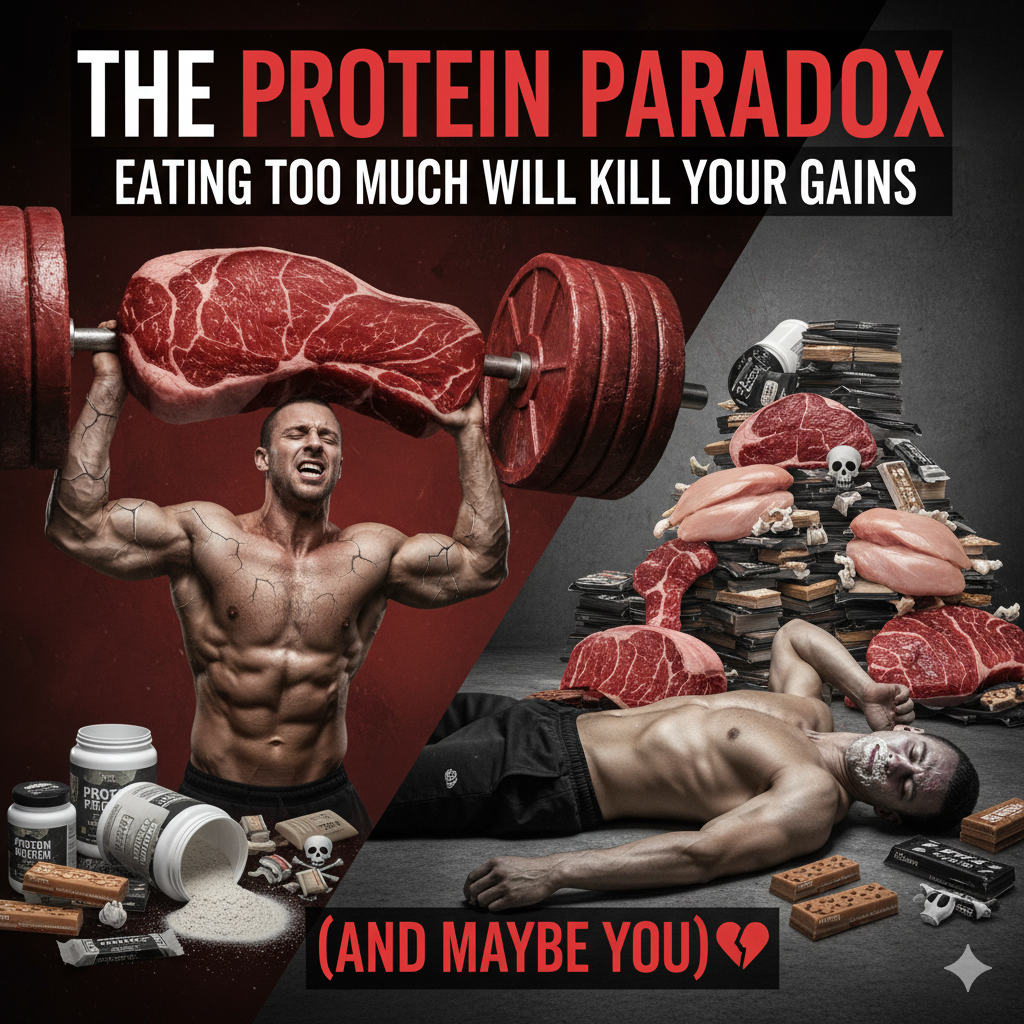
The Protein Paradox: Eating Too Much Will Kill Your Gains (and Maybe You).
Introduction: The Protein Obsession No One Questions
Protein has become the most celebrated nutrient in modern fitness culture. From gym locker rooms to social media feeds, the message is constant: more protein equals more muscle, faster fat loss, and better health. Protein powders, bars, and supplements now dominate grocery shelves, and many people routinely consume double—or triple—their actual needs.
But nutrition science paints a more nuanced picture. While protein is essential for muscle repair, metabolic health, and immune function, excessive intake does not translate into unlimited muscle growth. In fact, beyond a certain threshold, higher protein consumption offers diminishing returns—and may displace other nutrients that are just as critical for performance, recovery, and long-term health.
This is the protein paradox: the nutrient that builds muscle can quietly undermine results when consumed without balance or context.
What Protein Actually Does in the Body
Protein supplies amino acids, the building blocks your body uses to repair muscle tissue, synthesize enzymes and hormones, and support immune function. Resistance training stimulates muscle protein synthesis, and dietary protein provides the raw material needed for that process.
However, muscle growth is not linear. Research consistently shows that muscle protein synthesis plateaus once protein intake reaches a certain range. For most adults, including recreational and competitive athletes, optimal intake generally falls between 0.8 and 1.6 grams of protein per kilogram of body weight per day, depending on age, training intensity, and energy intake.
Consuming more than your body can use does not increase muscle growth. Excess amino acids are broken down, converted into energy, or excreted—placing additional metabolic demands on the liver and kidneys without providing extra benefit.
Why More Protein Doesn’t Equal More Muscle
A persistent myth in fitness culture is that the body can turn unlimited protein into unlimited muscle. In reality, muscle growth depends on multiple factors:
- Progressive resistance training
- Adequate total calories
- Sufficient carbohydrates to fuel workouts
- Rest and recovery
- Hormonal balance
Studies indicate that muscle protein synthesis is maximally stimulated with approximately 20–40 grams of high-quality protein per meal, depending on body size and age. Intakes far above this amount do not further increase muscle-building signaling.
Large protein loads consumed in shakes or oversized meals often exceed what the body can use at one time. The surplus is not stored as muscle—it is metabolized or eliminated.
Potential Downsides of Chronic Excess Protein Intake
For healthy individuals, high-protein diets are generally safe in the short term. However, chronically excessive intake—particularly when it crowds out other nutrients—may carry downsides.
Kidney and Hydration Stress
Protein metabolism produces nitrogenous waste products that must be filtered by the kidneys. While high protein intake does not cause kidney disease in healthy individuals, it can increase renal workload, especially when hydration is inadequate or in people with undiagnosed kidney conditions.
Reduced Dietary Fiber Intake
High-protein diets often displace fiber-rich foods like fruits, legumes, and whole grains. Low fiber intake is associated with poorer gut health, constipation, higher inflammation, and increased cardiometabolic risk.
Calcium Balance and Bone Health
Some studies suggest very high animal protein intake may increase urinary calcium excretion if calcium intake is inadequate. While this does not automatically weaken bones, it underscores the importance of balanced mineral intake alongside protein.
Energy Imbalance and Fat Gain
Protein still contains calories. When total intake exceeds energy needs, excess protein can contribute to fat storage through gluconeogenesis, particularly when carbohydrate intake is extremely low.
Protein and Longevity: What the Research Suggests
Emerging research in aging and longevity indicates that chronically high protein intake—especially from animal sources—may elevate levels of IGF-1, a growth factor associated with increased cancer risk and accelerated aging when persistently elevated.
Importantly, this does not mean protein is harmful. Rather, it suggests that protein needs may change across the lifespan. Higher intakes support muscle maintenance in younger and physically active individuals, while moderate intake may be more favorable for longevity in midlife and beyond.
Plant-forward protein sources appear to carry fewer long-term risks, likely due to their fiber content, phytonutrients, and lower saturated fat levels.
The Real Key: Protein in Context
Protein does not work in isolation. Muscle performance and recovery depend on:
- Carbohydrates for glycogen replenishment and training intensity
- Fats for hormone production and cellular health
- Micronutrients such as magnesium, zinc, and B vitamins
- Whole foods—such as fish, eggs, legumes, dairy, and whole grains—provide this nutritional synergy in ways isolated protein powders cannot.
- Protein supplements can be useful tools, but they should supplement the diet, not replace balanced meals.
Signs You May Be Overdoing Protein
Some common indicators that protein intake may be excessive relative to your needs include:
- Persistent digestive discomfort or bloating
- Chronic thirst or dehydration
- Fatigue despite adequate calories
- Reduced intake of fruits, vegetables, or whole grains
- Weight plateau or unexplained fat gain
These signs often reflect imbalance rather than protein toxicity—but they are signals worth addressing.
Practical Guidelines for Smarter Protein Intake
- Aim for 0.8–1.6 g/kg/day, adjusting for training level and age
- Distribute protein evenly across meals
- Prioritize whole food sources before supplements
- Include carbohydrates and fats to support training and recovery
- Stay well hydrated
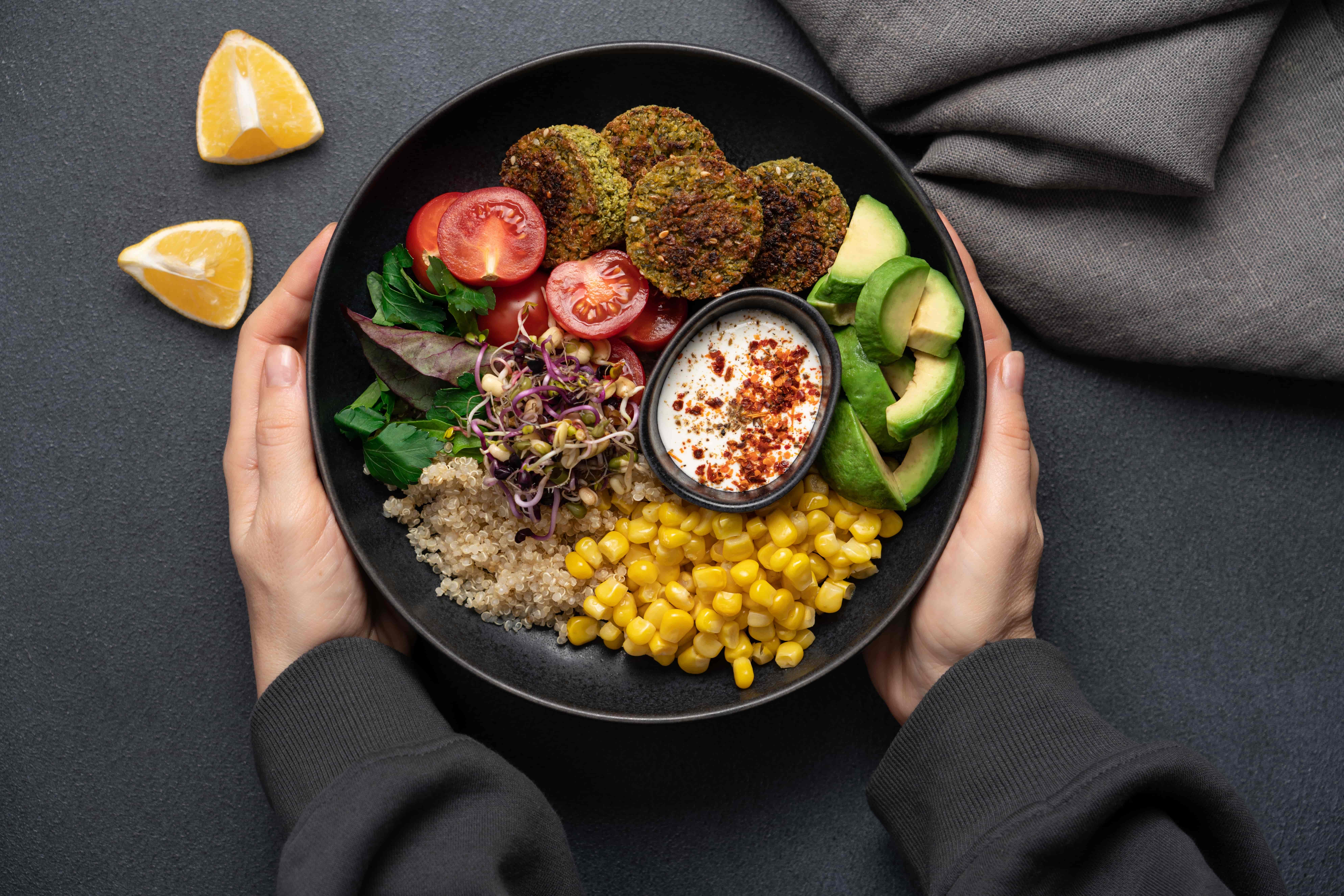
- Incorporate plant-based protein meals regularly
- Moderation, not excess, supports sustainable performance and health.
Final Takeaway
Protein is essential—but it is not a magic nutrient. Muscle growth, metabolic health, and longevity are built on balance, not extremes. More protein is not always better, and indiscriminate overconsumption may quietly undermine the very goals people chase in the gym.
The smartest approach is not to fear protein—but to respect its role within a complete, well-rounded diet.
Medical Review & Editorial Transparency
Medical Reviewer:
Dr. Ananya Patel, MD
Board-Certified Internal Medicine Physician
Clinical focus: metabolic health, nutrition counseling, preventive medicine
Nutrition Review Contributor:
Laura Simmons, RD, CSSD
Registered Dietitian, Certified Specialist in Sports Dietetics
Evidence-Based Sources
- Institute of Medicine. Dietary Reference Intakes for Protein and Amino Acids
- Morton RW et al. A systematic review of protein intake and resistance training. Br J Sports Med
- Phillips SM, Van Loon LJC. Dietary protein for athletes. J Sports Sci
- Longo VD et al. Protein intake, IGF-1, aging, and mortality. Cell Metabolism
- National Kidney Foundation. Protein and Kidney Health
- Harvard T.H. Chan School of Public Health. Protein: How much is too much?

