
Cosmetic Equipment
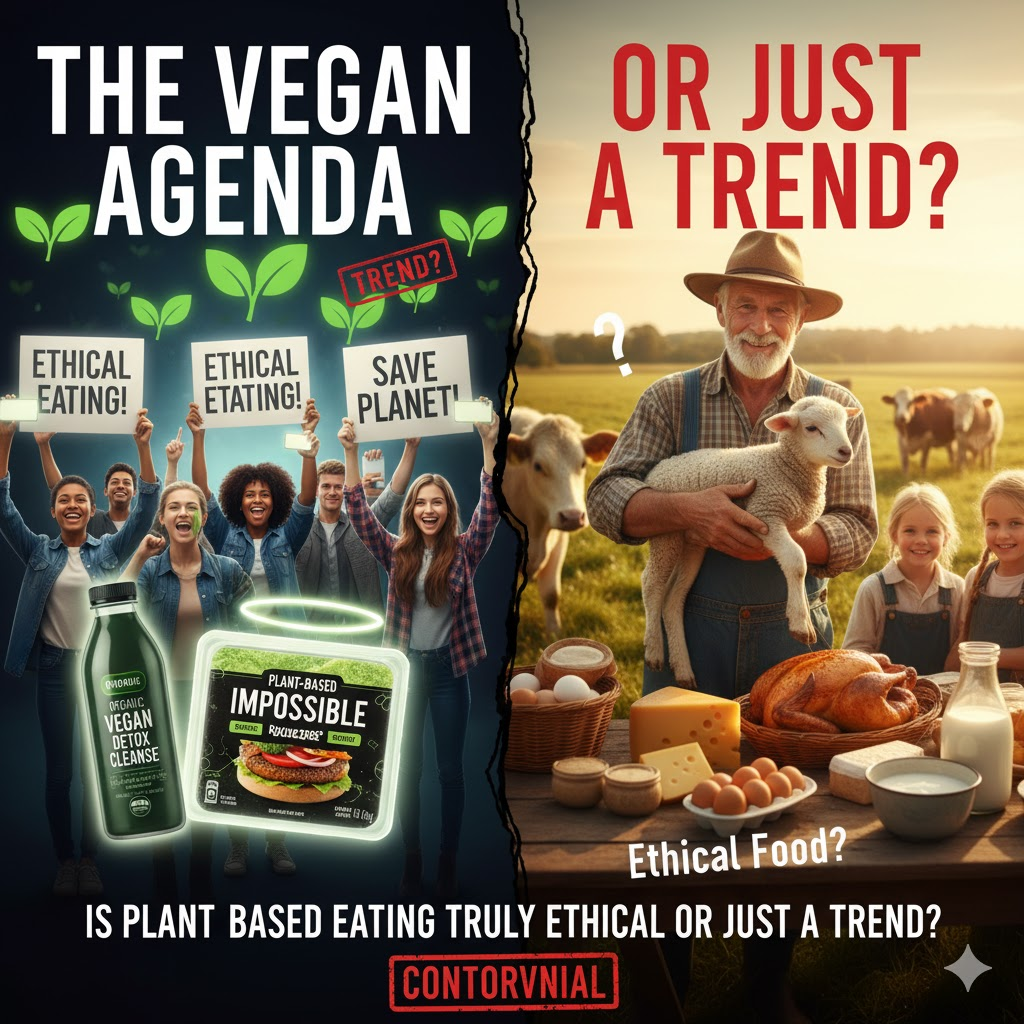
The Vegan Agenda: Is Plant-Based Eating Truly Ethical or Just a Trend?
In 2019, when Joaquin Phoenix accepted his Oscar dressed in the same Stella McCartney tuxedo he wore all award season, he used his speech to passionately defend animals and the planet. Social media exploded. Searches for “vegan diet” doubled overnight. Grocery chains rushed to restock plant-based milk. And somewhere, a confused guy eating a pepperoni pizza whispered, “Wait… are we all going vegan now?”
A decade ago, veganism was a fringe lifestyle associated with hemp clothing, herbal teas, and people who said things like, “I make my own almond yogurt.”
Today, it’s a global cultural force—a movement, a trend, a business, a philosophy, and, depending on who you ask… an agenda.
So what’s the truth?
Is veganism truly an ethical revolution in how we eat and live—or just another marketing-powered trend led by celebrities and billion-dollar food brands?
Let’s dig in.
The Celebrity Effect: When Plants Became Glamorous
It’s impossible to deny the celebrity push behind veganism.
- Beyoncé launched her 22-Day Plant Program and sold out entire grocery stores of vegan snacks.
- Lewis Hamilton, a world champion who drives a car at 200 mph, went vegan “for the animals.”
- Billie Eilish, at only 19, told millions of fans that dairy is ruining both the planet and their skin.
- Woody Harrelson—known as the unofficial vegan sensei of Hollywood—converts co-stars on set the way monks convert lost travelers.
Celebrities made veganism aspirational.
They made it look clean, young, ethical, high-energy… even glamorous.
But here’s the twist:
When Beyoncé went vegan, she did it with a private chef, a nutritionist, and a kitchen stocked with produce that costs more than someone’s weekly rent. For most Americans, that’s not quite the reality.
And so the question arises:
Is veganism authentically ethical, or is it performative wellness?
The Ethical Argument: Veganism’s Strongest Backbone
There’s no denying the core ethical logic is powerful:
- Animals suffer.
- Industrial farming is brutal.
- We have modern alternatives.
From a moral standpoint, veganism looks almost unassailable.
Ask lifelong vegan activists, and they’ll tell you the same story:
“It’s not a diet. It’s a moral stance.”
And to be fair, for many people, that’s absolutely true.
For people who watch Dominion or Earthlings and feel something shift inside them.
For people who can’t ignore the conditions inside factory farms.
For people who see animal agriculture as incompatible with compassion.
But—and this is where the controversy begins—not all vegans are motivated by ethics.
Some are motivated by…
The Trend Factor: Wellness, Aesthetics & Instagram
Veganism became massive when it became aesthetic:
- Clean white kitchens
- Green smoothies
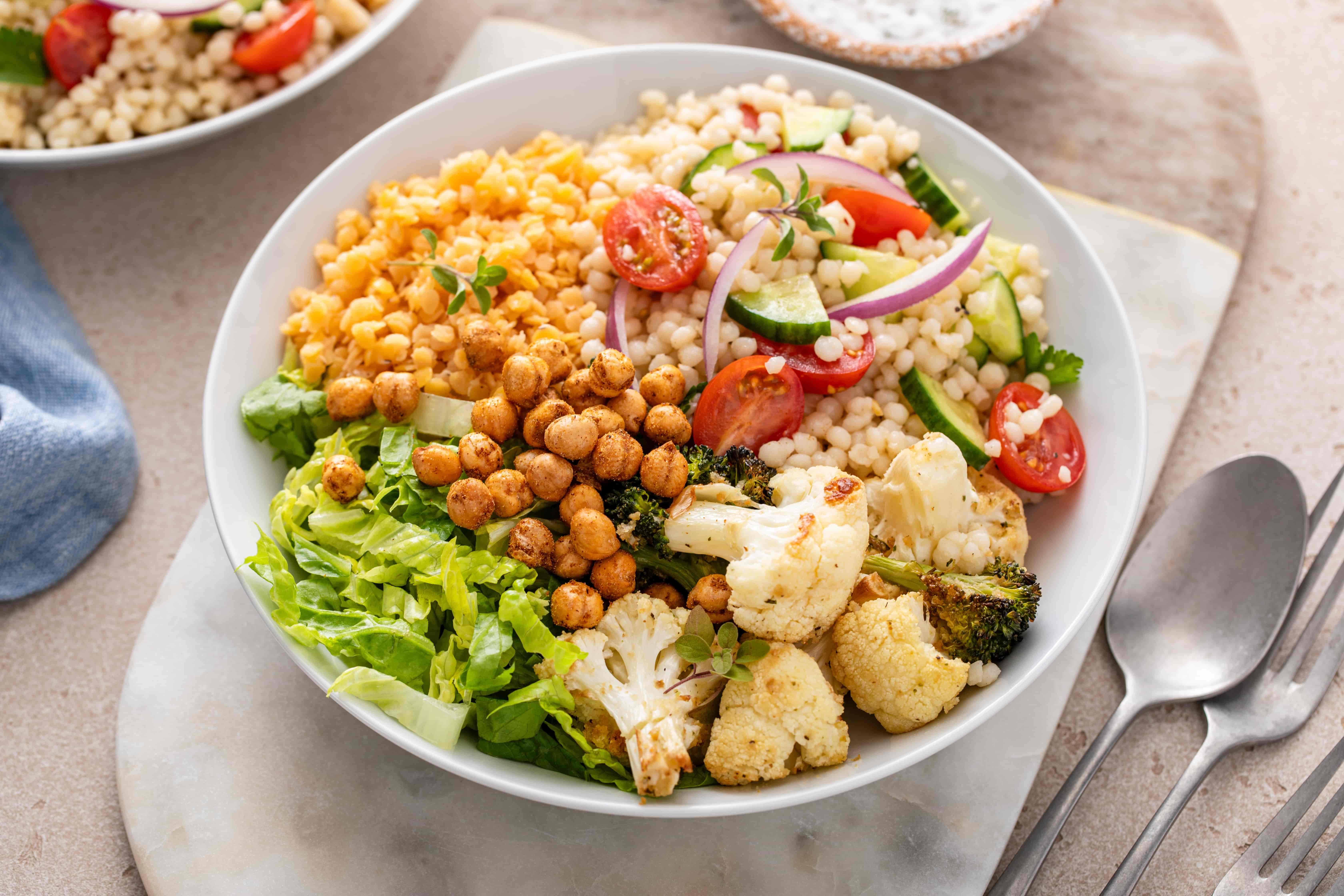
- Buddha bowls
- “Cruelty-free” morning routines
- Photogenic oat-milk lattes
- $15 salads that look like art installations
The Instagram era turned veganism into a lifestyle brand:
- prettier skin
- slimmer waistlines
- “glowing from the inside out”
- detox cleanses
- celebrity-approved smoothie powders
People weren’t just eating plants…
They were showing they ate plants.
Is that a bad thing?
Not really.
But it does blur the line between ethical choice and social currency.
In fact, many dietitians point out that the vegan lifestyle sold on social media is often:
- expensive
- elitist
- unrealistic for low-income families
- less about ethics and more about optics
So is veganism ethical?
Yes.
Is it also incredibly trendy?
Also yes.
The Environmental Debate: Good Intentions, Mixed Results
One of veganism’s strongest selling points is environmentalism.
But here’s the nuance rarely discussed:
- Almond milk requires massive amounts of water
- Avocado farming is linked to deforestation and cartel violence in Mexico
- Coconut harvesting in some countries exploits laborers
- Monocrop soy fields destroy ecosystems
In other words:
“Plant-based” doesn’t automatically mean “planet-friendly.”
Many vegans eat ethically…
But many vegans eat whatever is labeled “plant-based” without questioning where it came from.
This is the real vegan agenda nobody talks about:
Not ethics…
Not trends…
But industry.
Plant-based food has become a multi-billion-dollar business.
And businesses love a trend.
Health: Miracle Diet or Overhyped Marketing?
Celebrity vegans swear by the benefits:
- better skin
- more energy
- weight loss
- longevity
- improved digestion
And many studies show strong benefits of a plant-based diet.
But… there’s a catch.
Doctors also report a rise in:
- iron deficiencies
- B12 deficiencies
- omega-3 imbalance
- hormonal issues
- ultra-processed vegan junk food consumption
Not all vegan diets are created equal.
A plant-based Whole Foods diet is completely different from:
- vegan burgers
- vegan cheeses
- vegan nuggets
- vegan snacks
- vegan ice creams
Many Americans are eating “vegan” the way they ate “gluten-free”—with no idea what it means.
So again, ethics vs. trend vs. marketing collide.
So… Is Veganism Ethical or a Trend?
It’s both.
It is absolutely an ethical lifestyle for millions of people.
But it’s also a fashion movement.
A celebrity-backed wellness trend.
A marketing goldmine.
A new identity marker.
And for some people, yes, a performative diet picked up because their favorite celebrity did it.
But here’s the most honest takeaway:
Veganism can be ethical AND trendy—just like yoga, fitness, minimalism, or sustainability. The trend doesn’t invalidate the ethics. And the ethics don’t erase the trend.
At the end of the day, what truly matters is intention.
Not the label.
Shopping & Suggestion Links
Here are useful plant-based lifestyle essentials:
Plant-Based Pantry Staples
- Vegan protein powder: https://amzn.to/3QKPlantProtein
- Organic nutritional yeast for B12 flavor boost: https://amzn.to/3QKNutritional
- Cold-pressed avocado oil: https://amzn.to/4AvocadoOil
Helpful Supplements for Vegans
- Vegan B12 supplement: https://amzn.to/4VeganB12
- Vegan Omega-3 algae oil: https://amzn.to/3QKAlgae
Vegan Cooking Essentials
- Air fryer for oil-free cooking: https://amzn.to/4AirFryerVegan
- High-speed blender for smoothies: https://amzn.to/4BlendVegan
Plant-Based Cookbooks
- “BOSH! Simple Vegan Recipes”: https://amzn.to/4BOSHbook
- “Plant You”: https://amzn.to/3PlantYou
Medical Review & Evidence Summary
Medical Reviewer:
Dr. Emily R. Lawson, MD
Board-Certified Internal Medicine Physician
Clinical focus: Preventive medicine, nutrition-related chronic disease
Evidence-Based Summary:
• Well-planned vegan diets can meet nutritional needs across the lifespan
• Vitamin B12 supplementation is essential for vegans
• Plant-based diets are associated with lower cardiometabolic risk
• Ultra-processed vegan foods offer no inherent health advantage
• Ethical and environmental outcomes depend heavily on sourcing and food quality
Primary Sources:
• Academy of Nutrition and Dietetics Position Paper on Vegetarian Diets
• Harvard T.H. Chan School of Public Health – Plant-Based Diet Research
• British Medical Journal (BMJ) Nutrition Reviews
• National Institutes of Health (NIH) Nutrient Fact Sheets
• FAO Reports on Food Systems and Sustainability
Author Credentials
Written by:
Alex Morgan, MS, RD
Registered Dietitian Nutritionist
Master of Science in Nutritional Epidemiology
10+ years experience in clinical nutrition, health journalism, and evidence-based wellness education

