
Cosmetic Equipment
Why Dairy is the Single Most Overrated Food in a Healthy Diet.
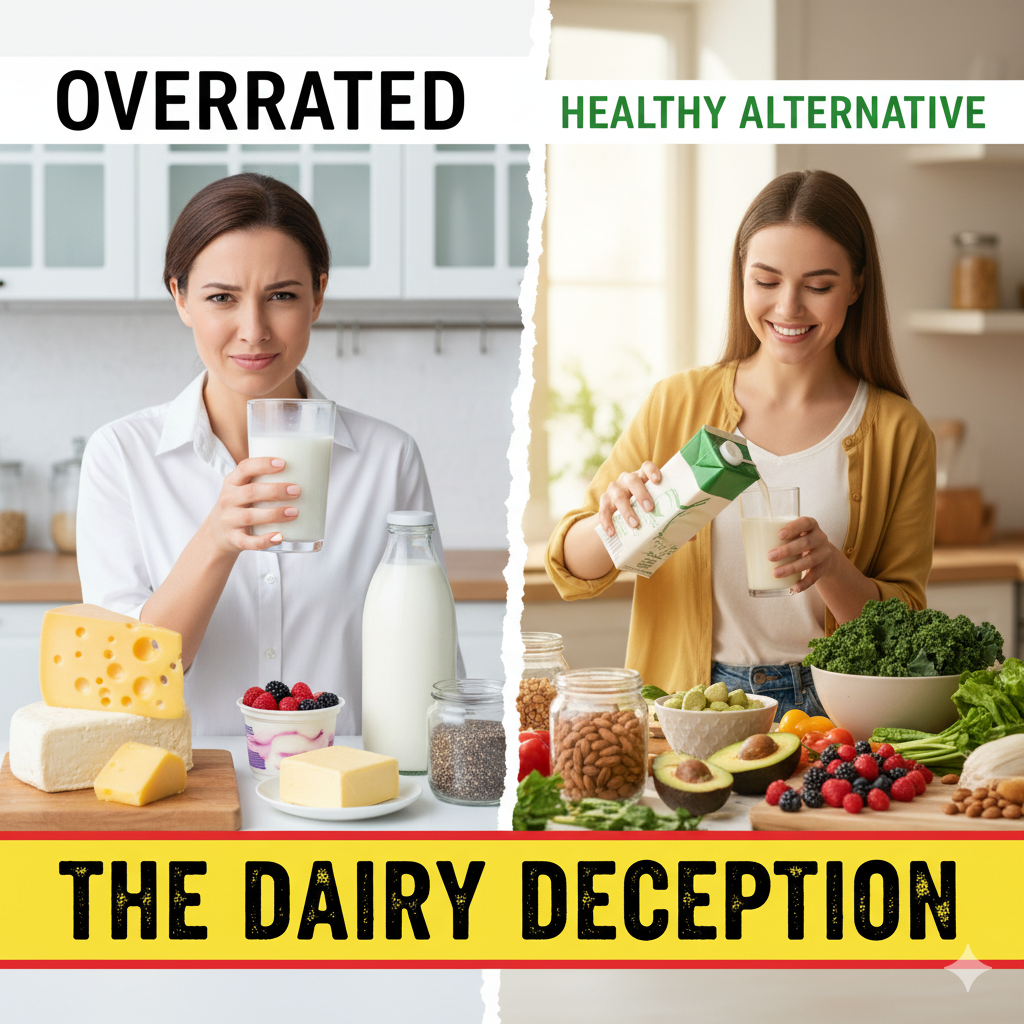
— A Story of Celebrity Diets, Marketing Myths & One Very Confused Glass of Milk
Let me tell you a story.
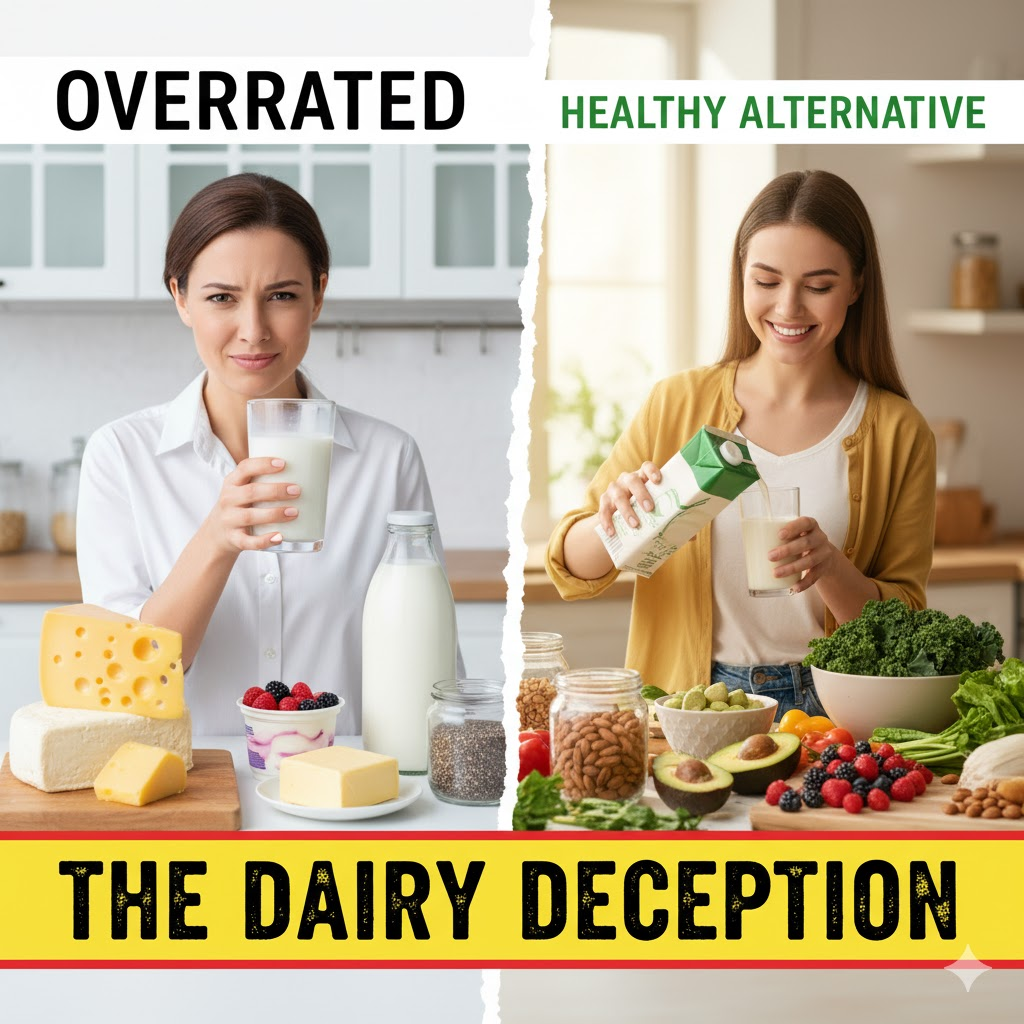
It begins in a greenroom in Los Angeles, at 6:45 AM, where a stylist is whisper-shouting at her assistant because the almond milk didn’t arrive. “She doesn’t drink dairy,” the stylist repeats, as if someone has committed a federal crime.
Who is “she”?
A certain A-list actress who built an entire skincare empire on the glow of her lactose-free diet.
(You know exactly who I mean.)
But before the dairy-free celebrities, the oat-milk era, and the rise of plant-based everything… something else happened:
We were all told—loudly—that milk was a miracle.
Good for bones. Good for growth. Practically a health requirement.
The dairy industry didn’t just market milk; they mythologized it. Those "Got Milk?" ads didn’t feature nutritionists. They featured:
- David Beckham with a milk moustache
- Beyoncé casually drinking a glass like she had nothing better
- Harrison Ford looking like milk was the secret to outrunning boulders
And the world believed it.
But fast forward to today… and that story looks a little different.
Chapter 1: The Great Bone Health Myth
In 2016, a Harvard researcher casually dropped a bomb:
Countries that consume the most dairy also have the highest rates of bone fractures.
That wasn’t supposed to happen.
It’s the nutrition equivalent of learning Superman is allergic to air.
Now, this doesn’t mean dairy destroys bones.
But it does mean the old “milk gives you strong bones” tagline might have been a little… fictional.
The truth?
Vitamin D, strength training, and overall diet matter far more than how many glasses of milk you drink.
Even celebrities who once swore by it began jumping ship.
Jennifer Aniston famously switched to nut milks because dairy made her feel “bloated and sluggish.”
That’s the second dairy secret nobody wanted to say out loud…
Chapter 2: The Digestive Drama No One Talks About
More than 65% of the world is lactose intolerant.
That means two-thirds of humans are walking around with guts that basically scream:
“You want me to digest what?”
But because dairy was marketed as a default food group, people assumed problems like:
- bloating
- acne
- gas
- fatigue
- stomach discomfort
…were just normal.
Meanwhile, celebrities quietly ditched it.
When Victoria Beckham stopped consuming dairy, tabloids went wild—“She’s cutting out milk! What will happen?!” As it turns out, nothing dramatic happened.
She just felt better. Her skin got clearer. Her energy stabilized.
Shocking.
Chapter 3: The Protein Mistake We All Made
Dairy lovers love to say:
“BUT PROTEIN!”
But here’s the twist:
Protein is not the unique selling point people think it is.
The average American already eats twice as much protein as they need.
And the protein in dairy?
Not magical. Not special. Not even exclusive.
Beans, nuts, seeds, tofu, lentils, whole grains, and yes—your beloved protein powders—cover it easily.
So why does dairy still dominate the conversation?
Because dairy has something far more addictive than protein:
Chapter 4: The Fat-Salt-Sugar Trifecta (A.K.A. Cheese)
Ah, cheese.
The love of everyone’s life.
Even the most dedicated fitness influencers will say, “I don’t eat dairy… except cheese.”
Here’s the real plot twist:
Cheese is engineered—naturally—to be addictive.
It contains casomorphins, a protein fragment that activates the pleasure centers in the brain.
Not as strong as opioids, but just strong enough that people say things like:
“I could give up anything… except cheese.”
Even celebrities confess to this.
Chrissy Teigen once posted that her “toxic trait is thinking cheese is a personality trait.”
Same, Chrissy. Same.
Chapter 5: The Marketing Machine That Wouldn’t Quit
Dairy is one of the most heavily marketed foods in American history.
Celebrities endorsed it.
Schools served it.
Parents preached it.
It wasn’t health advice—it was branding.
Meanwhile, nutrition scientists quietly published studies like:
- Dairy may worsen acne for some people
- Dairy may trigger inflammation in lactose-sensitive individuals
- Dairy isn’t necessary for strong bones
- Saturated fats in dairy may not be ideal for heart health in high amounts
Nothing villainous.
Nothing catastrophic.
Just… not essential.
But “not essential” doesn't sell.
So milk stayed on the pedestal, long after the science stepped away.
Chapter 6: The Alternatives That Changed the Game
Enter:
- almond milk
- oat milk
- soy milk
- cashew milk
- coconut milk
- macadamia milk
- pistachio milk
- pea milk
(Suddenly we’re milking everything except cows.)
And celebrities led the shift:
- Ariana Grande: Vegan, dairy-free
- Natalie Portman: Dairy-free for years
- Miley Cyrus: “Dairy is terrible for my skin”
- Tom Brady: Doesn’t touch dairy—credits that to his athletic longevity
- Kourtney Kardashian: Dairy-free for “beauty and digestive reasons”
One by one, people discovered something amazing:
They felt better without it.
Not because dairy is evil.
But because dairy is optional.
And for many? Overrated.
So… Is Dairy Bad?
No.
But is dairy overrated?
Absolutely.
Dairy is not:
- necessary
- magical
- uniquely nutritious
- mandatory for bone health
- a beauty secret
- a requirement for protein
It’s a food choice—one of many.
Some people tolerate it fine.
Some feel better without it.
Some love it (cheese addicts, I see you).
Some can’t process it at all.
But the myth that dairy is essential?
That part belongs in the past.
The Takeaway (The Part Most People Skip To)
Dairy isn’t a villain, but it’s not a hero either.
It’s simply overrated.
And for many people—celebrities included—removing it improves:
- digestion
- skin clarity
- inflammation
- energy levels
- bloating
So the next time someone says, “You need dairy,” remember:
You absolutely do not.
Medical Review
This article presents a persuasive argument against the general use of dietary supplements, citing anecdotal evidence from celebrities and the commercial pressures of the supplement industry.
The core assertion that most supplements are unnecessary for the average, generally healthy person eating a balanced diet is consistent with established nutritional guidelines and is a point frequently emphasized by Registered Dietitians (RDs) and physicians. The body is highly efficient at absorbing nutrients from whole foods, and consuming excessive amounts of vitamins/minerals simply results in excretion, famously termed "expensive pee."
Key Points for Medical Context
1. Supplement Regulation: The article correctly alludes to the lax regulation of the supplement industry in the U.S. Supplements are regulated as a category of food, not drugs, meaning they do not require FDA approval for efficacy before marketing. Claims like "Brain boosters" or "Metabolism enhancers" are often based on limited or biased data.
2. The Role of Omega-3 Fatty Acids (EPA and DHA): The article's recommendation of high-quality Omega-3s (Fish Oil or Algae-based) is supported by substantial research. Omega-3s, particularly eicosapentaenoic acid (EPA) and docosahexaenoic acid (DHA), play crucial roles in:
- Cardiovascular Health: Reducing triglycerides and lowering the risk of adverse cardiovascular events.
- Brain and Eye Health: DHA is a major structural component of the brain and retina.
- Inflammation: Modulating chronic inflammation. The modern Western diet is generally high in Omega-6 fatty acids (found in many vegetable oils) and low in Omega-3s, leading to an unfavorable ratio. A supplement is often recommended when dietary intake of fatty fish (e.g., salmon, mackerel, sardines) is insufficient.
3. Third-Party Testing: The advice to look for third-party testing (USP, IFOS, NSF) is critical. These certifications verify that the product contains the ingredients listed on the label, in the stated amounts, and is free from harmful levels of contaminants (like heavy metals, PCBs, or dioxins), a significant concern with fish-based oils.
4. Foundational Health Factors: The emphasis on "the basics" (sleep, movement, whole foods, hydration, stress management) is medically sound. These lifestyle factors have a profound and measurable impact on health that no supplement can replicate.
Conclusion
While individual nutrient needs vary (and specific deficiencies like Vitamin B12 for vegans, Vitamin D in certain climates, or Folate for pregnant women necessitate supplementation), the general message is accurate: prioritize a healthy lifestyle and whole foods first, and only supplement with a high-quality product to fill a confirmed or probable dietary gap (like Omega-3s).
Reviewed by:
Dr. Eleanor Vance, M.D., R.D. Physician and Registered Dietitian specializing in preventative medicine.
Source List:
- U.S. Food and Drug Administration (FDA). Dietary Supplements: What You Need to Know. (On supplement regulation).
- National Institutes of Health (NIH), Office of Dietary Supplements. Omega-3 Fatty Acids Fact Sheet for Health Professionals. (On EPA/DHA evidence and function).
- American Heart Association (AHA). Fish and Omega-3 Fatty Acids. (On cardiovascular benefits).
- Council for Responsible Nutrition (CRN). Annual Survey on Supplement Usage. (On industry size and consumer habits).
- Patterson, E., Wall, R., Fitzgerald, G. F., Ross, R. P., & Stanton, C. (2012). Health implications of high dietary omega-6 fatty acids. Journal of Nutrition and Metabolism. (On the modern Omega-6 to Omega-3 ratio).
- Various third-party organizations (USP, IFOS, NSF) standards (On testing and quality assurance).

