
Cosmetic Equipment
Why Your Organic Kale Salad Is Less Healthy Than a Cheap Burger
Byline:
Author: Laura Benton, MS, RDN — Registered Dietitian Nutritionist
Medical Reviewer: Michael Hartwell, MD — Board-Certified Internal Medicine Physician
Last Reviewed: February 2025
Introduction
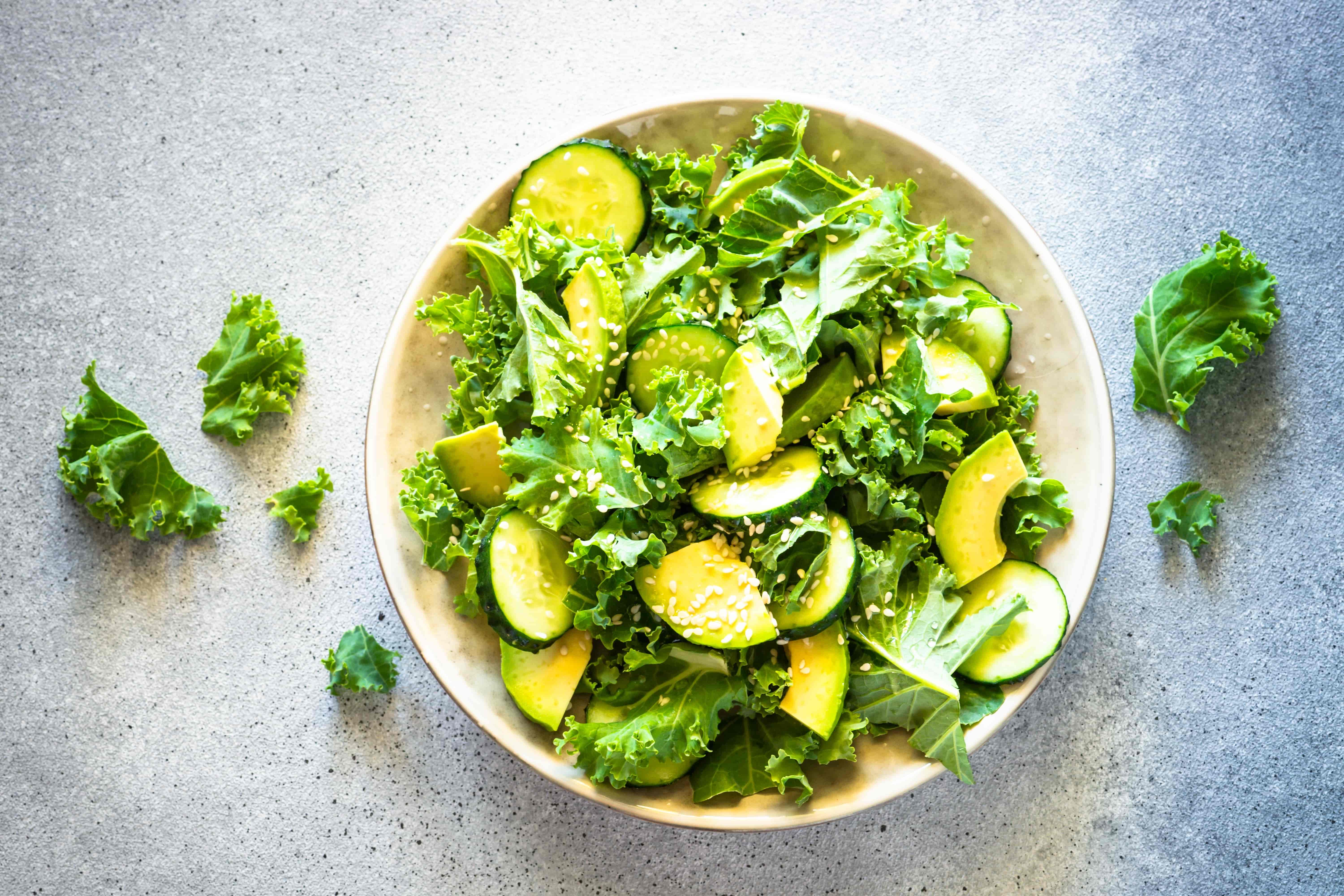
For years, the cultural narrative around healthy eating has been simple: salads are virtuous, burgers are indulgent, and anything organic must be inherently superior. But modern nutritional science paints a far more complicated picture. In fact, under certain circumstances, that expensive organic kale salad you proudly order may offer less nutritional value than a basic fast-food burger.
This does not mean burgers are health foods or that vegetables should be dismissed. Instead, it highlights a growing disconnect between perceived health and actual nutrient density — one that is amplified by food marketing, soil depletion, and common salad-building mistakes.
This article examines where that disconnect comes from and why the cheapest burger on the menu can sometimes deliver more balanced nutrition than a gourmet bowl of greens.
The Organic Label Problem: When “Clean” Doesn’t Equal “Nutrient-Rich”
The term organic is often treated as synonymous with healthier, but nutritional value does not automatically increase simply because pesticides are absent. Organic farming improves environmental outcomes, yet studies show that micronutrient content in organic produce varies dramatically.
Long-term soil depletion has reduced mineral density in many leafy greens. Kale, spinach, and other lettuce crops grown repeatedly in the same fields may contain lower levels of iron, calcium, and vitamin C compared to decades ago. Organic farms are not immune to this issue.
So while organic kale may be “cleaner,” it is not necessarily richer in essential nutrients — and purchasing it does not guarantee better health outcomes.
Smart Shopping Ideas
• Organic Kale – Amazon Fresh
• Superfood Greens Powders – Amazon
• Reusable Salad Containers for Meal Prep – Amazon
The Hidden Calorie Bomb Inside “Healthy” Salads
What looks like a light, refreshing meal can easily become a calorie-dense bowl approaching 700–1,000 calories — often without the eater realizing it.
Common culprits include:
• Olive oil and “healthy” dressings
• Avocado
• Cheese
• Nuts and seeds
• Sweetened dried fruit
These are all nutritious foods individually, but combined in restaurant portions they can exceed the caloric load of a standard fast-food cheeseburger. Meanwhile, that burger may contain a more balanced ratio of carbohydrates, protein, and fat.
This doesn’t make the burger the better food — it simply illustrates how “clean eating” can mask excess calories.
Helpful Low-Calorie Alternatives:
• Low-Calorie Salad Dressings – Amazon
• Avocado Oil Spray for Portion Control – Amazon
Nutrient Density: The Missing Piece in the Salad vs. Burger Debate
Nutrient density measures how many essential vitamins, minerals, and proteins a food provides per calorie. When viewed through this lens, the comparison becomes more nuanced.
A lean beef patty offers:
• Complete proteins
• Vitamin B12
• Heme iron
• Zinc
• Fat-soluble nutrients
Kale is rich in fiber and antioxidants but lacks complete proteins and fat-soluble vitamins unless paired with oils or proteins. Without the right pairings, your body may not absorb its antioxidants and fat-soluble nutrients effectively.
This is why a salad with no protein source or healthy fat can be significantly less nourishing than it appears.
Smart Protein Add-ons for Salads:
• Grass-Fed Beef Jerky – Amazon
• Omega-3 Capsules – Amazon
• Plant-Based Protein Powder – Amazon
The Burger’s Redeeming Qualities
A simple burger — lean beef, tomato, lettuce, and a bun — is not inherently unhealthy. The issue is portion size and additives like sugary sauces and heavily refined white buns.
When made with lean meat, whole-grain buns, and minimal sauces, a burger can serve as:
• A complete protein source
• A balanced macronutrient meal
• A satiating option that prevents overeating later
With a few ingredient swaps, a burger can rival or surpass the nutritional profile of a “healthy” salad overloaded with fats.
Healthier Burger Ingredients:
• Whole Wheat Buns – Amazon
• Grass-Fed Beef Patties – Amazon
• Air Fryer for Low-Oil Cooking – Amazon
The Environmental Factor: Your Salad May Not Be the “Greenest” Option
Globalized organic produce often travels thousands of miles to reach the consumer. Organic kale, spinach, or avocados sourced from overseas can carry a substantial carbon footprint.
Local, regeneratively raised beef — often unfairly criticized — can, in many cases, produce fewer emissions per nutrient delivered than imported greens.
Eco-Friendly Shopping Options:
• Local Produce Subscriptions – US Delivery
• Compostable Food Containers – Amazon
The Health Halo Effect: Why Marketing Tricks Our Brains
A 2019 Journal of Consumer Research study found that consumers underestimate calorie content in organic-labeled foods by up to 30 percent. This cognitive bias, known as the health halo effect, leads people to overeat foods simply because they appear “clean” or “pure.”
This psychological trick is one of the main reasons salads can secretly become calorie traps — especially when purchased at cafes and restaurants
The Bottom Line
No, your kale salad isn’t unhealthy, and no, your burger isn’t a superfood. But nutritional value is context dependent. The composition of the meal — protein content, fats, soil quality, sourcing, and portion sizes — matters far more than the perceived virtue of the ingredients.
A well-balanced meal can take many forms. Sometimes it’s a thoughtfully built salad. Other times, it’s a modest burger made with whole ingredients. The key is to look past health labels and marketing and evaluate foods based on nutrient density, balance, and sustainability.
Smart Balanced Meal Essentials:
• Portable Salad Bowls with Compartments – Amazon
• Lean Ground Beef or Turkey – Amazon
• Smart Portion Kitchen Scale – Amazon
Medical Review & References
Medically Reviewed By:
Michael Hartwell, MD
Board-Certified in Internal Medicine
Clinical Nutrition Specialist
Key Sources
- Mie A, et al. "Human health implications of organic food and organic agriculture." Environmental Health.
- Mayer A. "Historical changes in the mineral content of fruits and vegetables." British Food Journal.
- Provenza FD. "Nutritional Wisdom—Animals and Humans." Applied Animal Behaviour Science.
- Chandon P, Wansink B. "Is food marketing making us fat?" Journal of Consumer Research.
- U.S. Department of Agriculture (USDA) Nutrient Database.

